
Henning Martin
Project Manager Short Sea Shipping
Phone: +49 40 9999 698 – 77
E-Mail: Martin[at]dmz-maritim.de
Against the backdrop of a growing number of heavy and oversized transports, the discussion focused on how the waterway transport mode can be better integrated into transport chains. Nearly 90% of wind energy component transport is still handled by road. Considerable efforts are therefore required to relieve pressure on infrastructure and to establish more sustainable transport chains.
Key Topics and Focus Areas of the Event
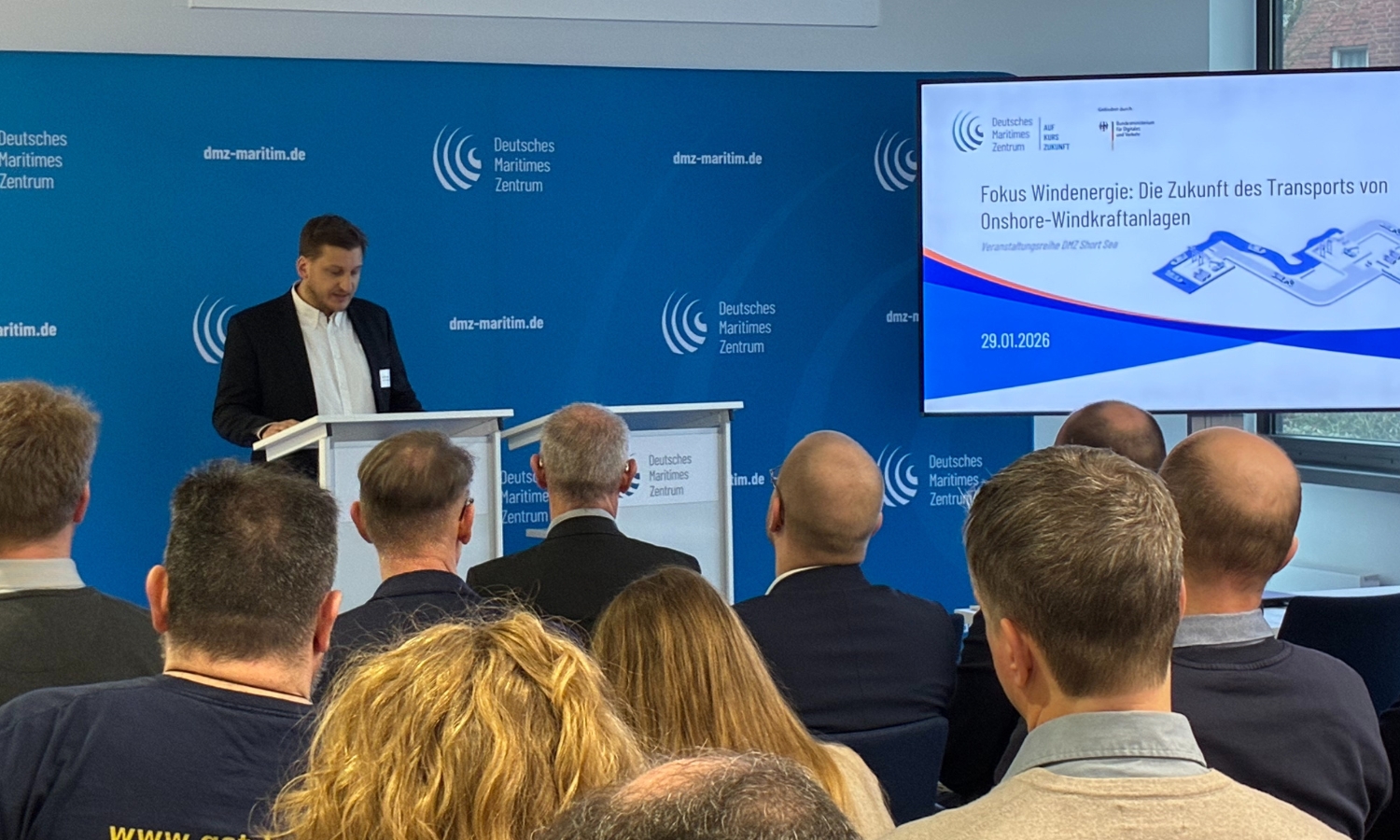
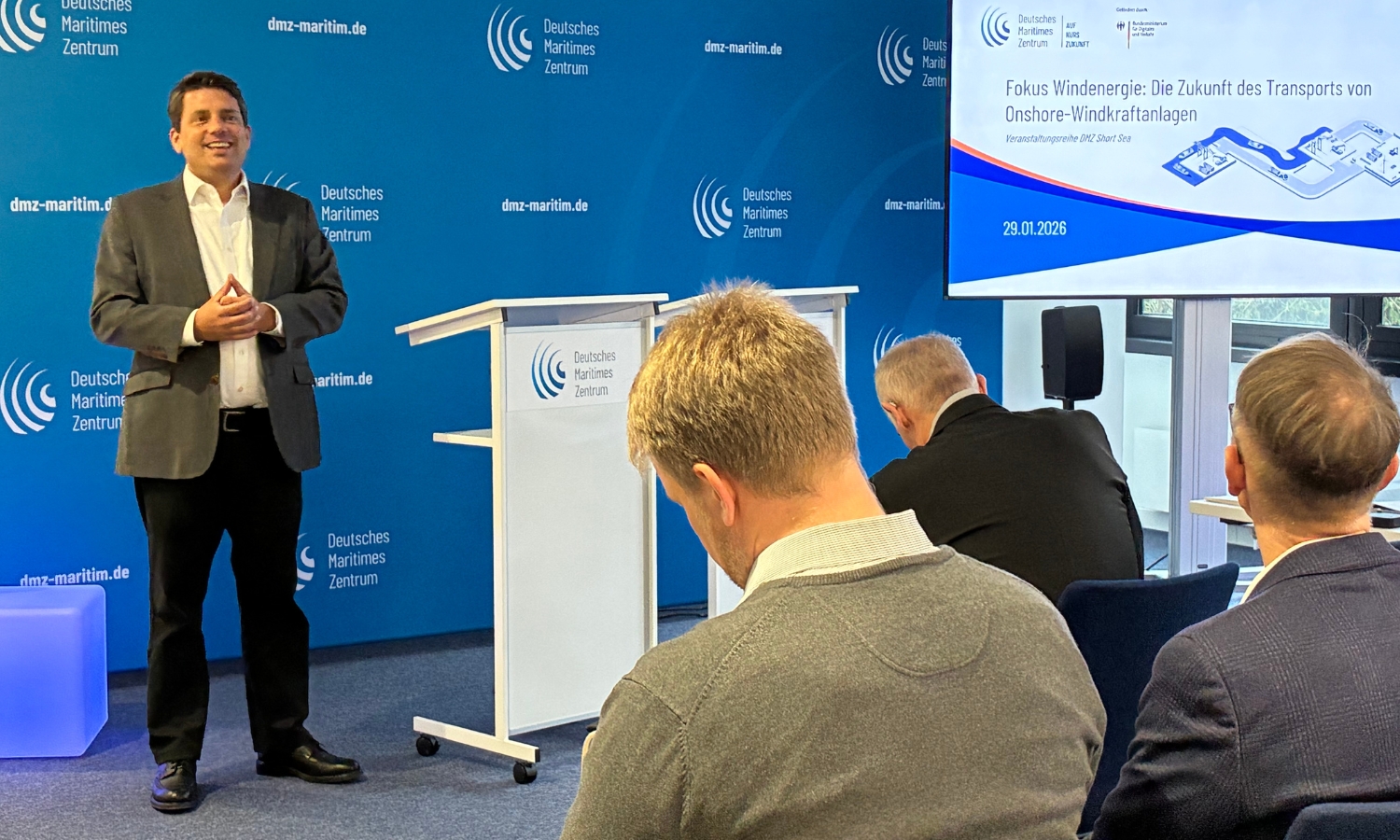
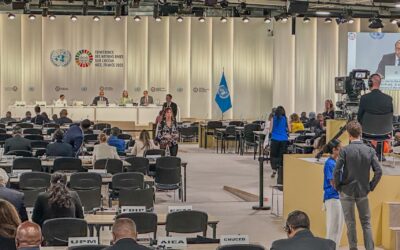
After welcoming remarks by the Managing Director of the German Maritime Centre, Dr Matthias Catón, Henning Martin, Project Manager for Short Sea Shipping at DMZ, opened the event and set the overall framework. The discussions focused on short sea shipping and inland waterway transport as strategic building blocks for resilient and future-proof transport chains in the wind energy sector.
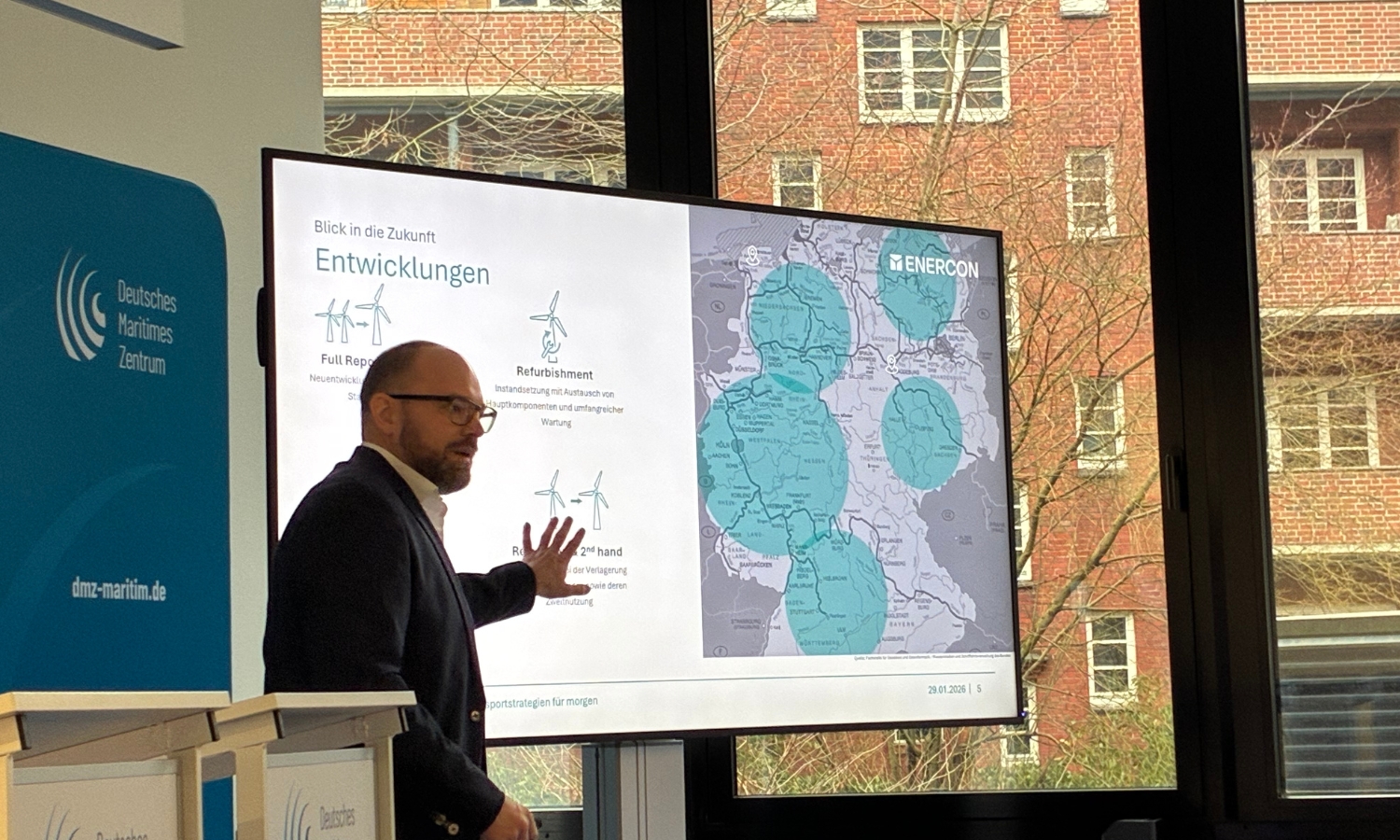
The first session of the event featured a series of concise expert presentations highlighting different perspectives on transport and logistics challenges within the industry. Hendrik Peterburs (ENERCON) presented the logistics perspective of the wind industry, while Bettina Brennenstuhl (Port of Dortmund) addressed land-use restrictions and capacity issues in ports. Sebastian Steul (VDMA) discussed opportunities and challenges related to the use of inland waterways for wind energy transport, complemented by a contribution by Klaus Axler (BMV) on alternative transport routes and the relevant regulatory framework.
The second session underscored the role of efficient heavy and oversized transport corridors (GST) as a key enabler for making transports more predictable and scalable. Topics included micro-corridors as a pragmatic approach, best practices and GST corridors in France, as well as current developments related to VEMAGS.
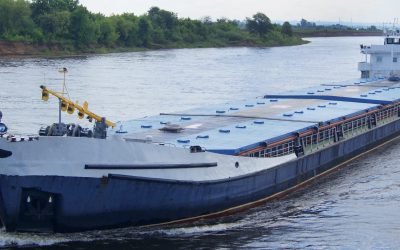
The third session showcased the potential of near-coastal transport solutions through concrete real-world applications. Presentations covered the operational limits of push convoys, the results of the navigability analysis of the Elbe-Lübeck Canal, and insights into the Rostock-ELK coastal shipping route, demonstrating how innovation can be successfully transferred into real operations.
Collaborative Solutions for Complex Transport Chains
The overall conclusion of the event was evident: transporting wind energy components requires coordination, reliable corridors, and smart interfaces between waterways, ports, and the hinterland. This is precisely where DMZ sees its role – as a neutral platform, an initiator of ideas, and a coordinator working together with all relevant stakeholders.
Further Impressions