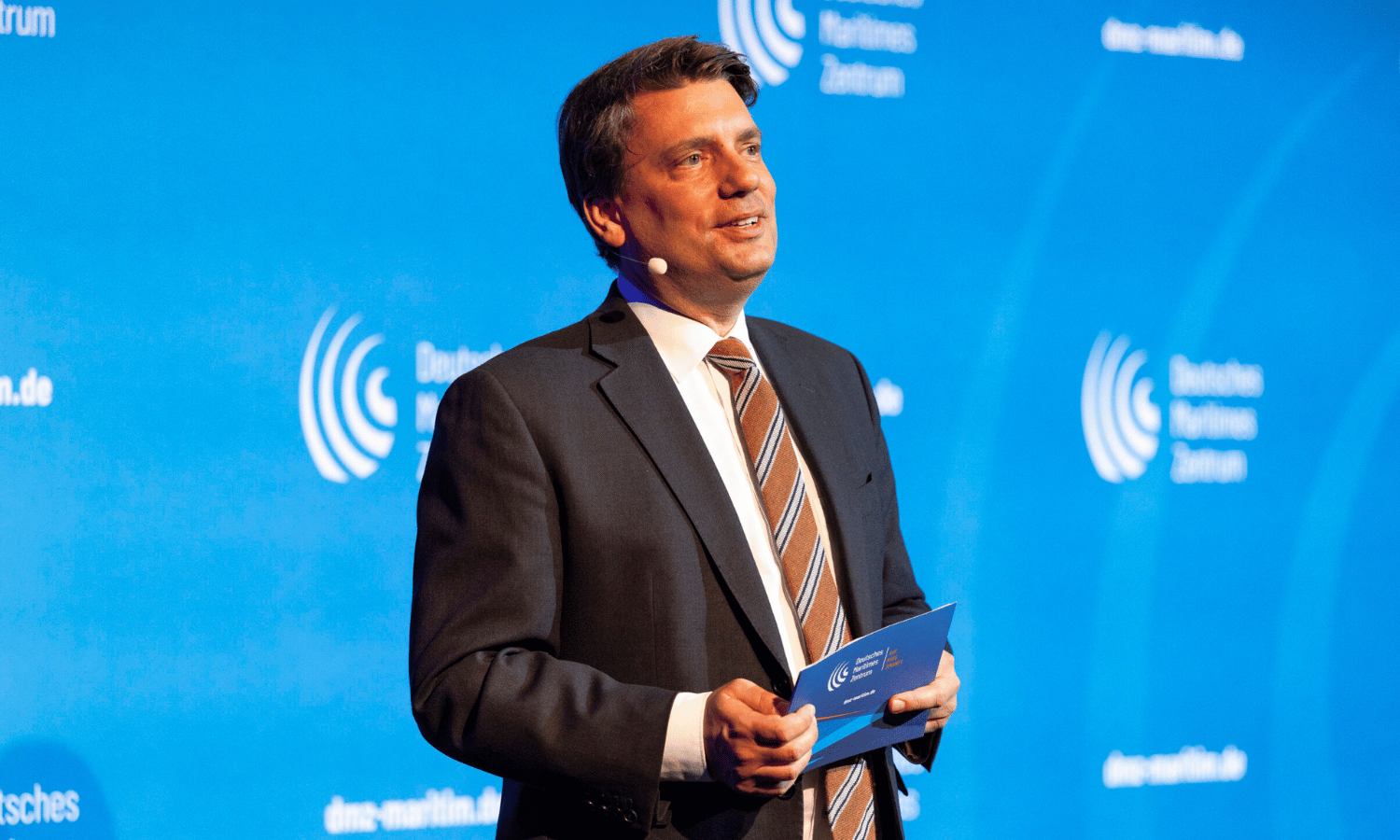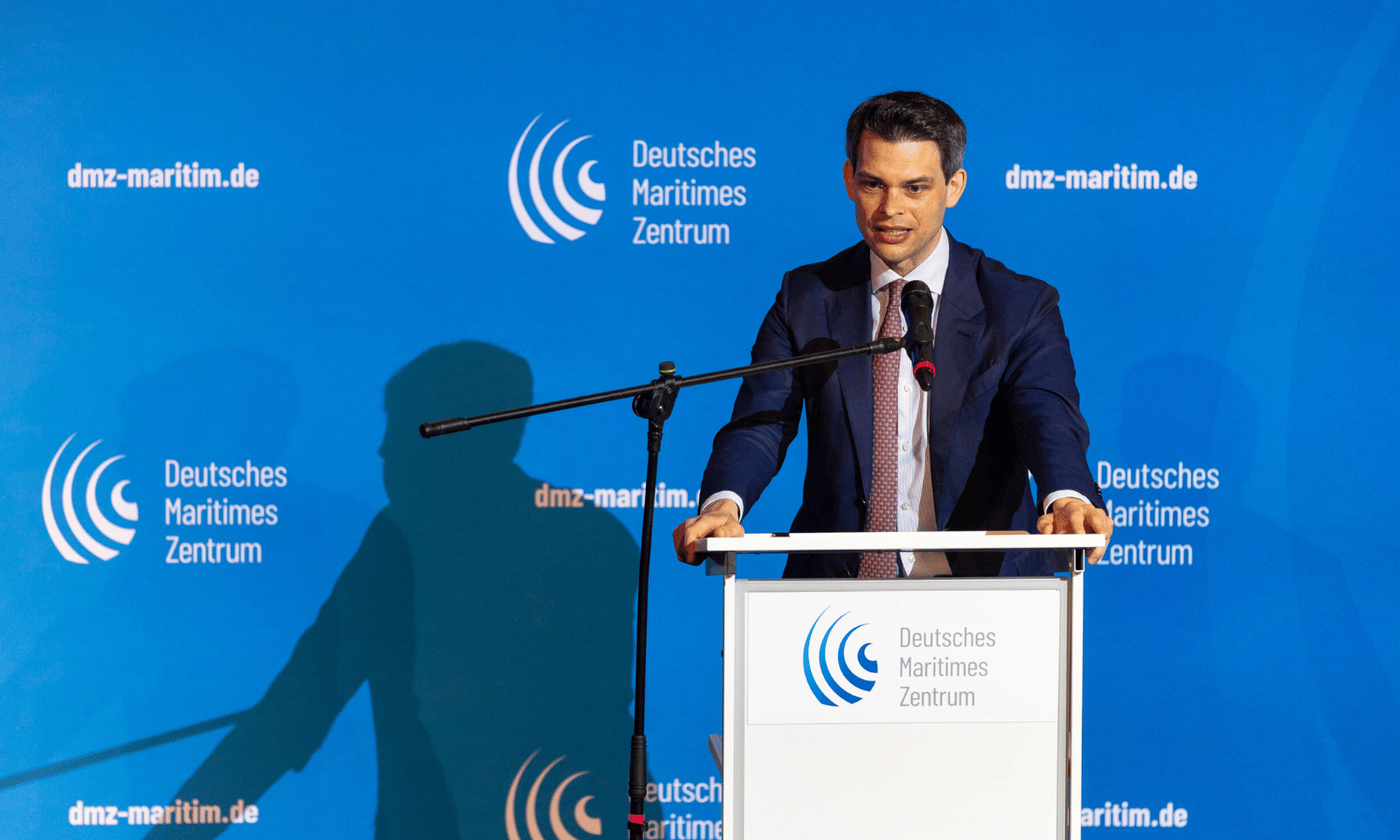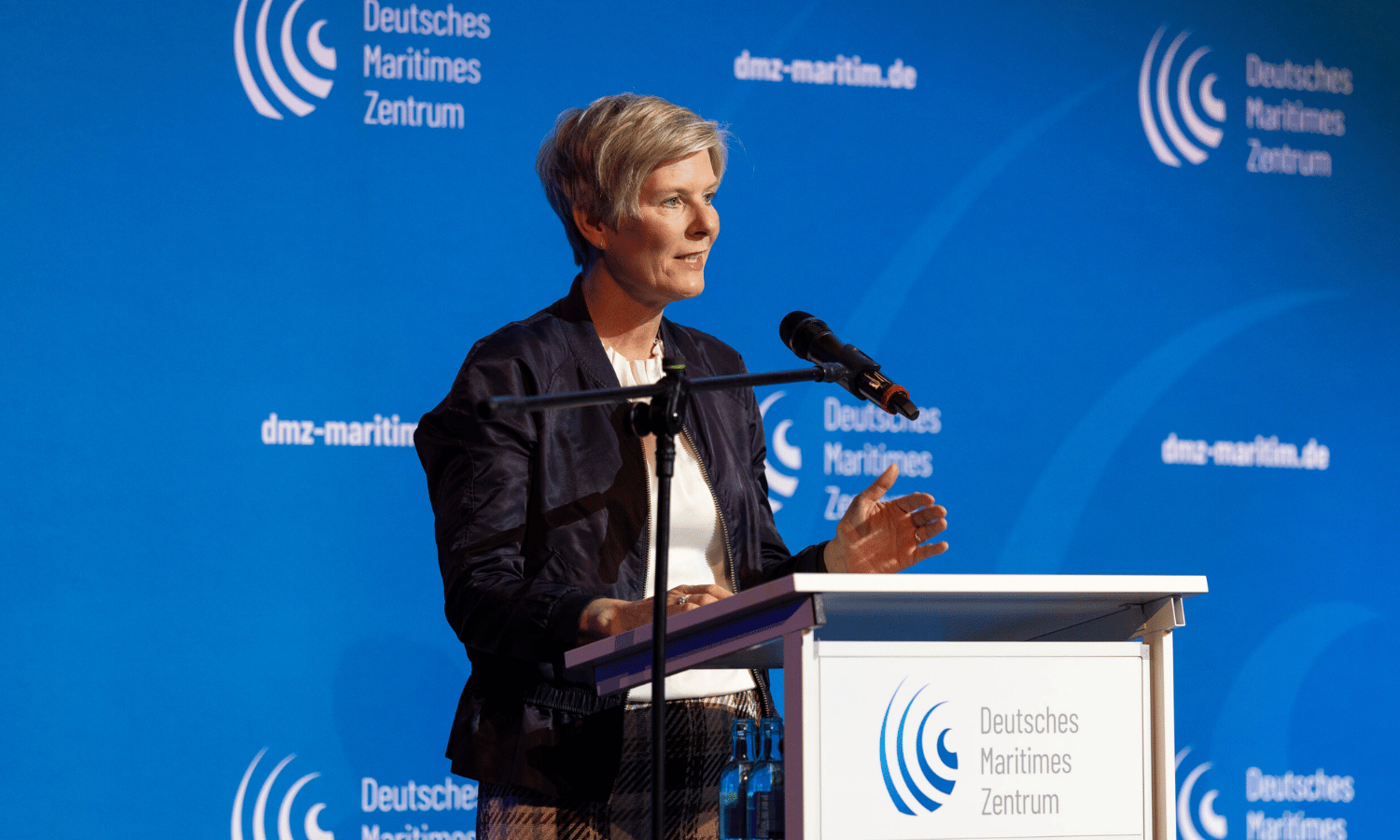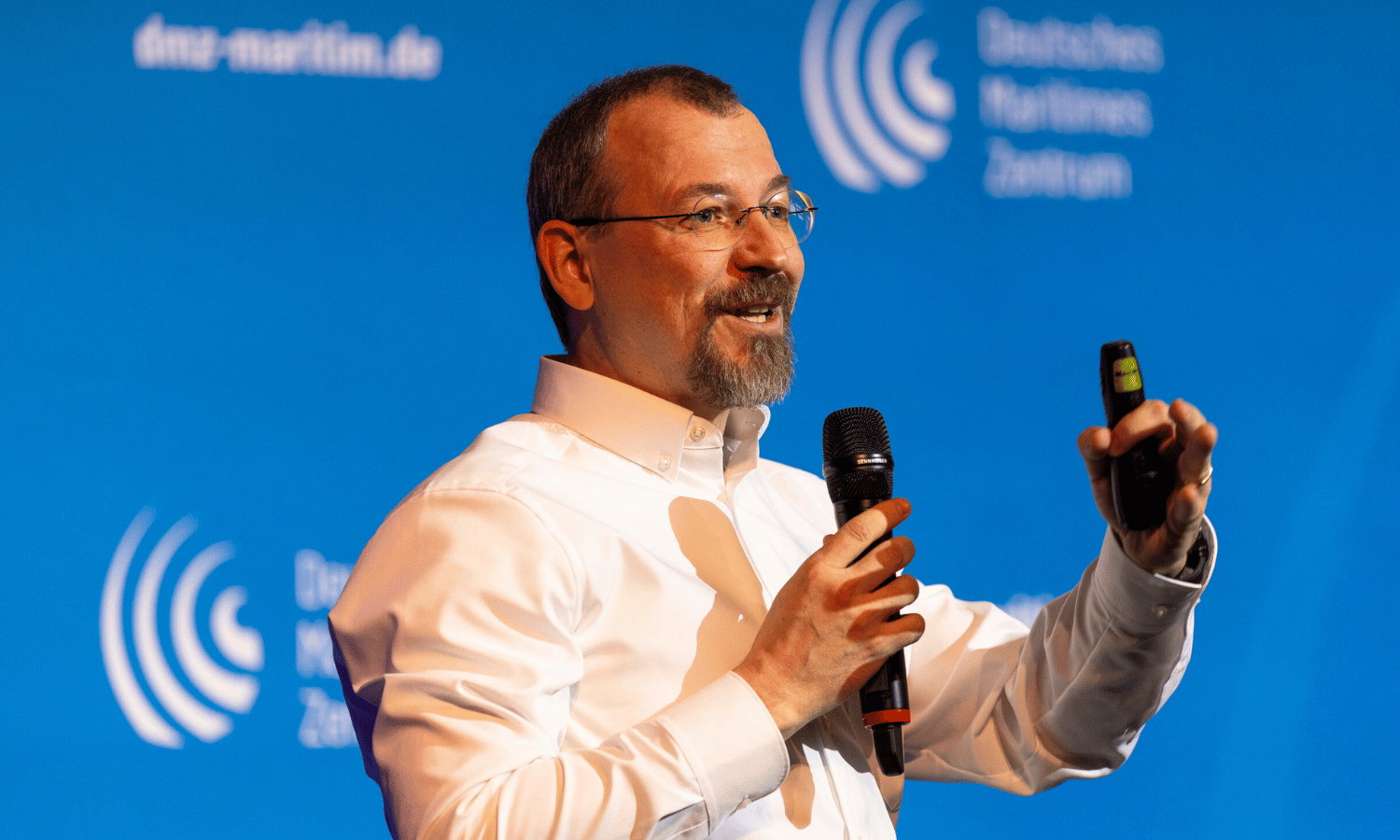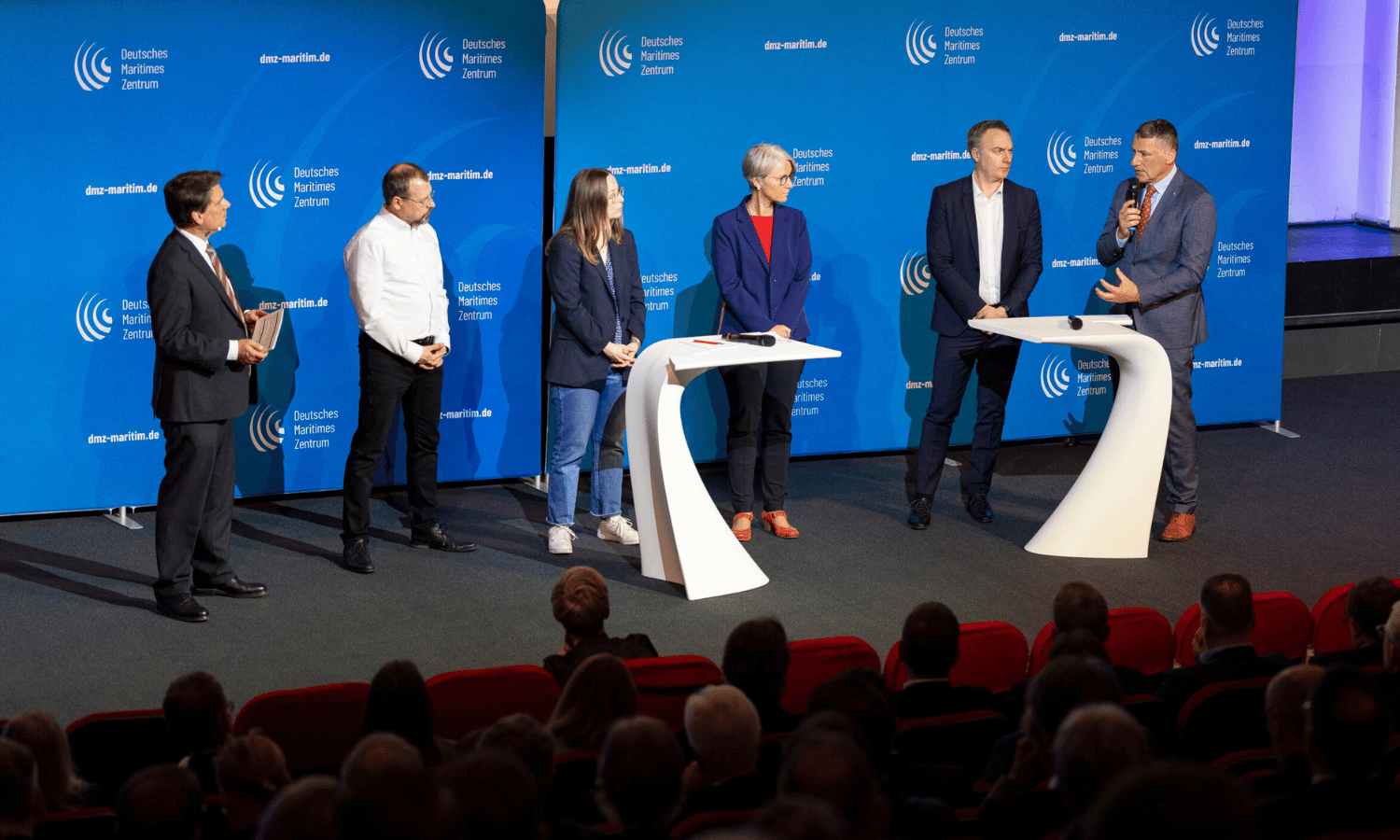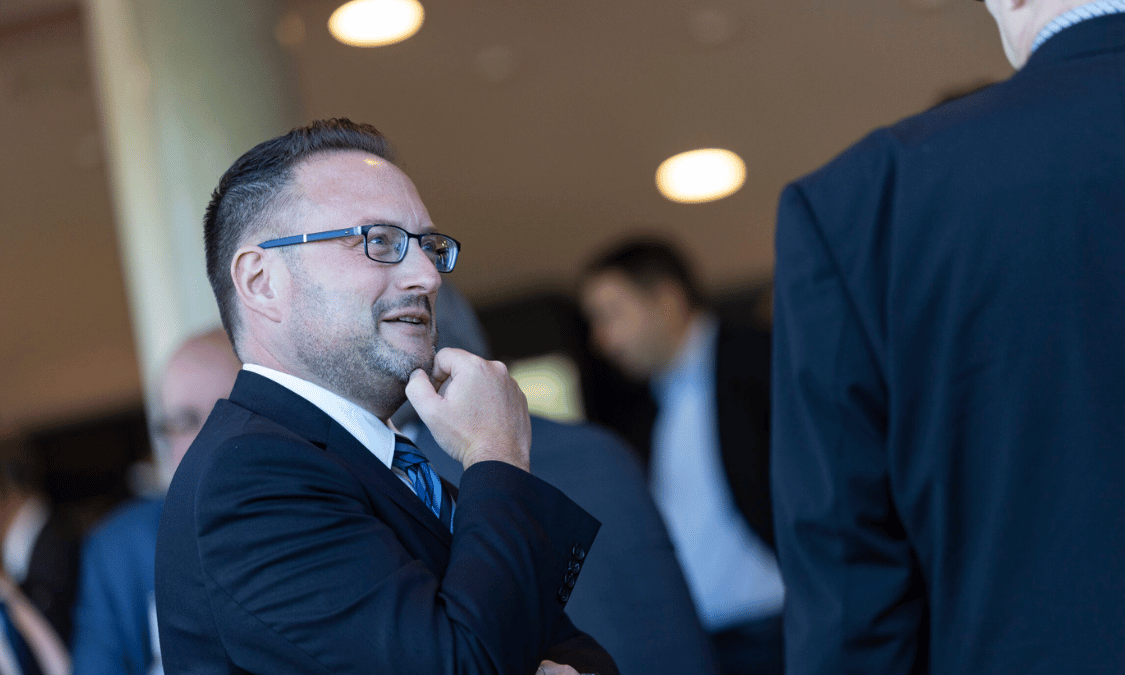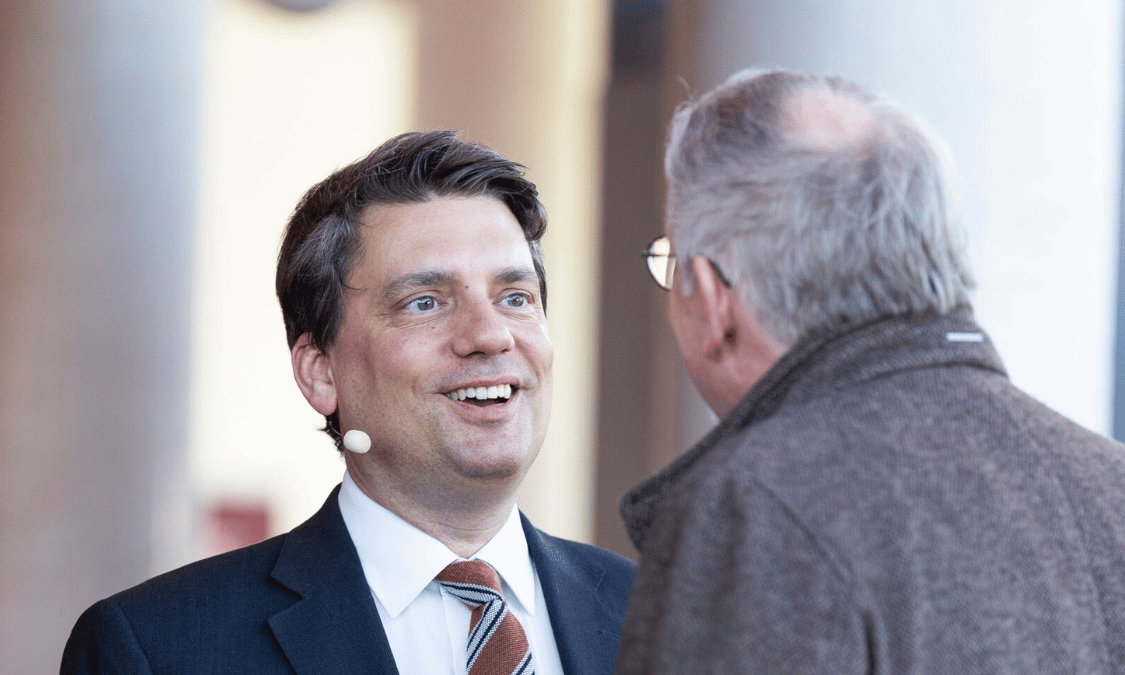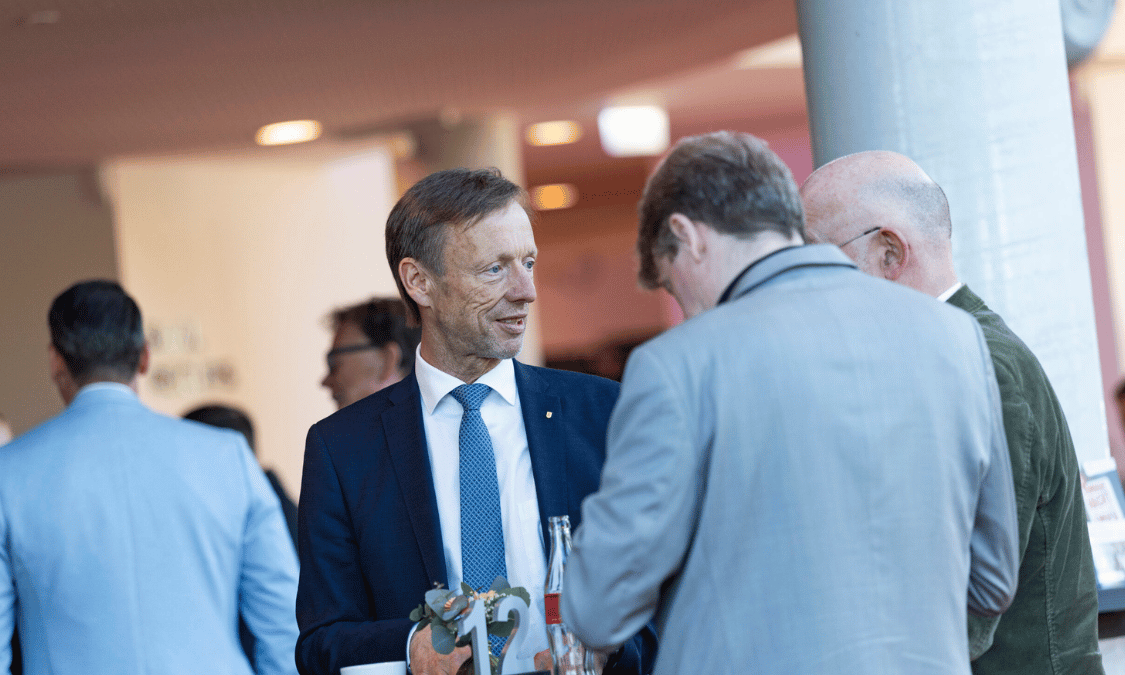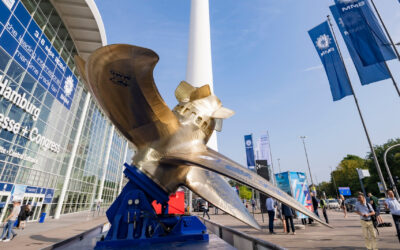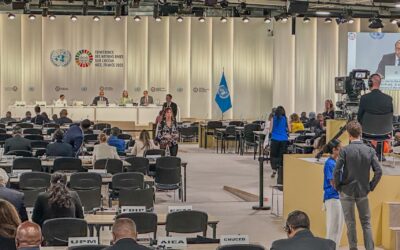
Over 120 participants attended the side event at the Festspielhaus am Wall, which focused on securing a skilled workforce as a strategic priority. Germany is pursuing ambitious maritime goals – from the energy transition to the National Port Strategy. However, without a sufficient number of qualified specialists, there is a risk of strategic dependencies and a loss of maritime capacity.
Political impetus for maritime sovereignty
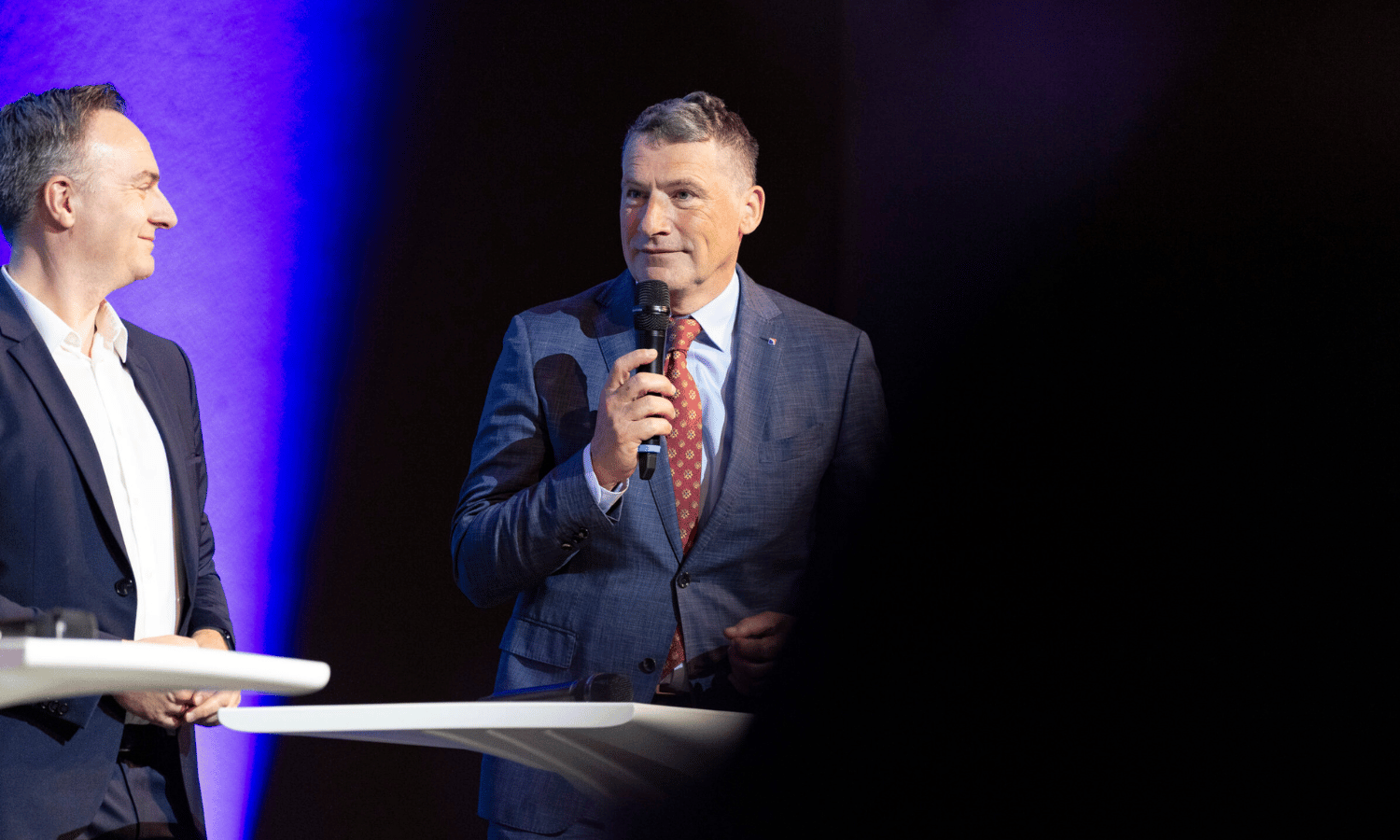
Dr Christoph Ploß, the Federal Government’s Coordinator for the Maritime Economy and Tourism, opened the event with a welcome address on the economic and security policy significance of maritime skilled workers. He emphasised the strong position of the maritime economy in Germany, but noted that resilience goes far beyond technical solutions – it is a question of competence and, in particular, the adaptability of our education system. Furthermore, significant efforts will be required in the coming years to recruit skilled workers.
In her welcoming address, Dr Wibke Mellwig from the Federal Ministry of Transport and Digital Infrastructure also highlighted the performance and resilience of the maritime economy. As an exporting nation, Germany is particularly dependent on a high-performing, narrative-driven economy – economically, in terms of energy policy and, increasingly, in terms of security policy. Demographic change, the energy transition and the safeguarding of global supply chains: none of these objectives can be achieved without qualified maritime professionals. A strong German flag is needed.
Keynote: Resilience as a triad of people, technology and organisation
Prof. Dr Frank Sill Torres, Acting Director of the DLR Institute for the Protection of Maritime Infrastructure, focused on various aspects and forms of resilience in his keynote address ‘No sovereignty without people’. His central thesis: a resilient maritime economy requires not only robust technologies, but also competent people with the right skills. Torres called for a paradigm shift: away from purely performance-oriented thinking, towards a holistic approach to resilience across three dimensions. Technical systems must be reliable and reduce human error through automation. People, as system designers, are at the centre – but are also a risk factor, which is why better training and the ability to understand, anticipate and learn are crucial. At the organisational level, clear processes, good coordination and, above all, flexibility in dealing with uncertainties are required.
Panel discussion: Building bridges, strengthening resilience
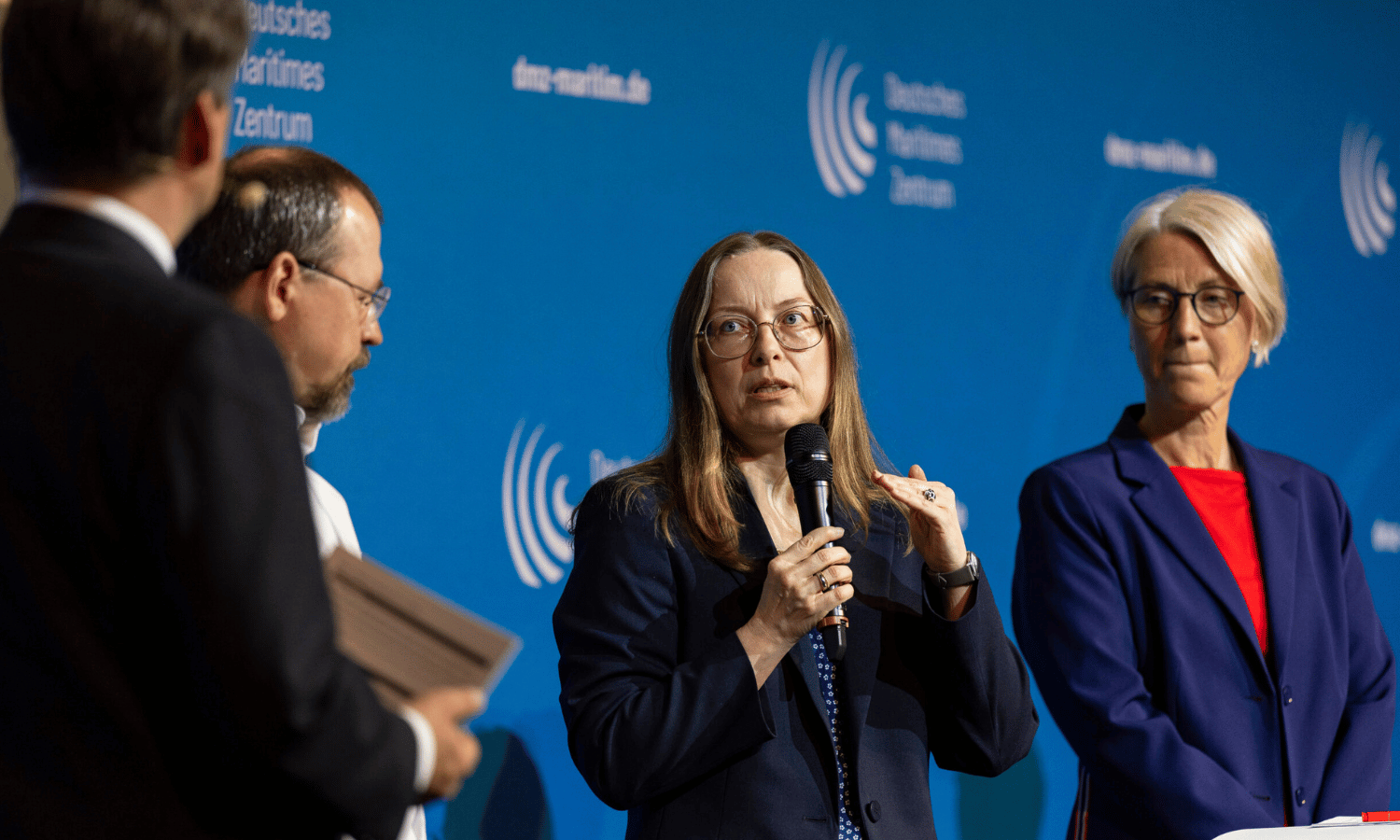
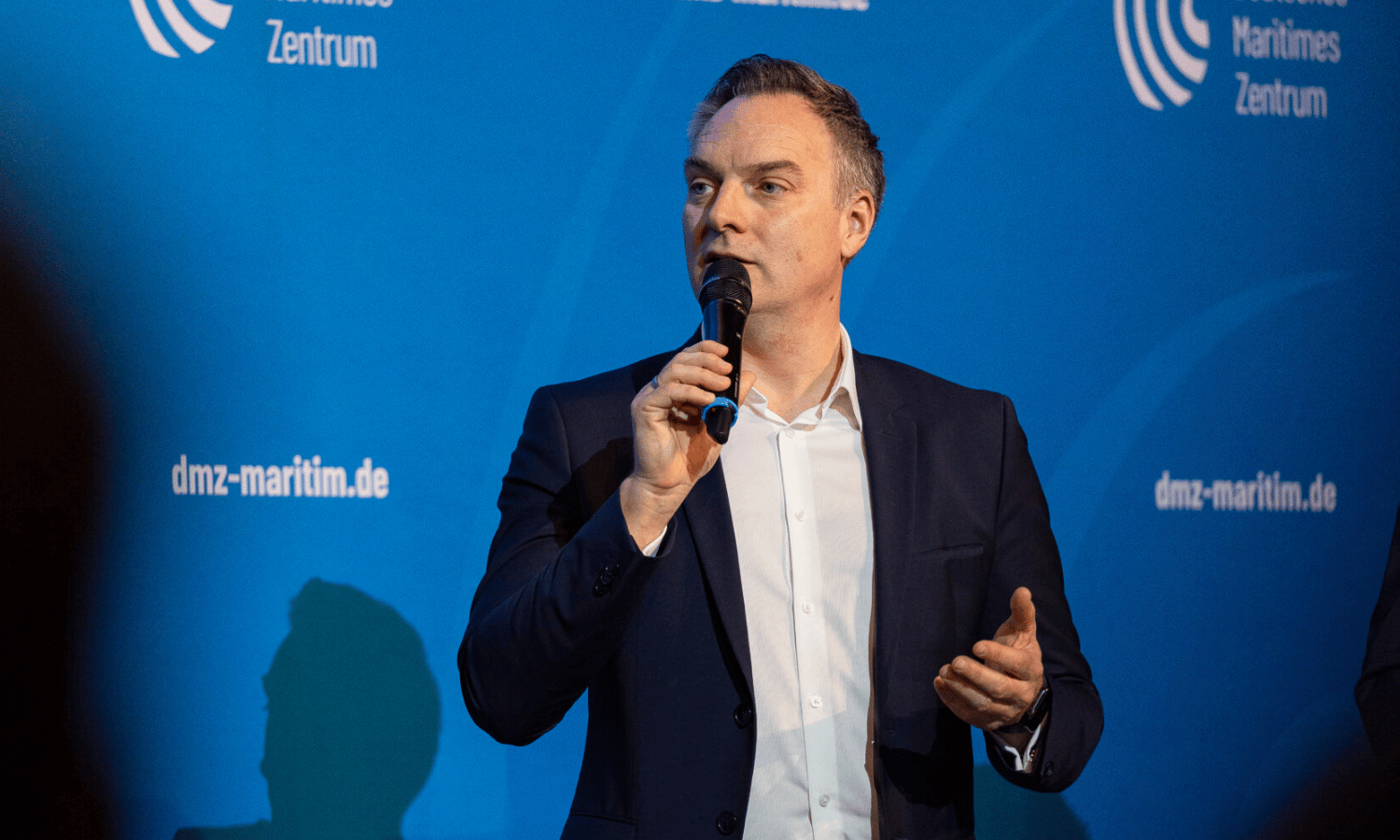
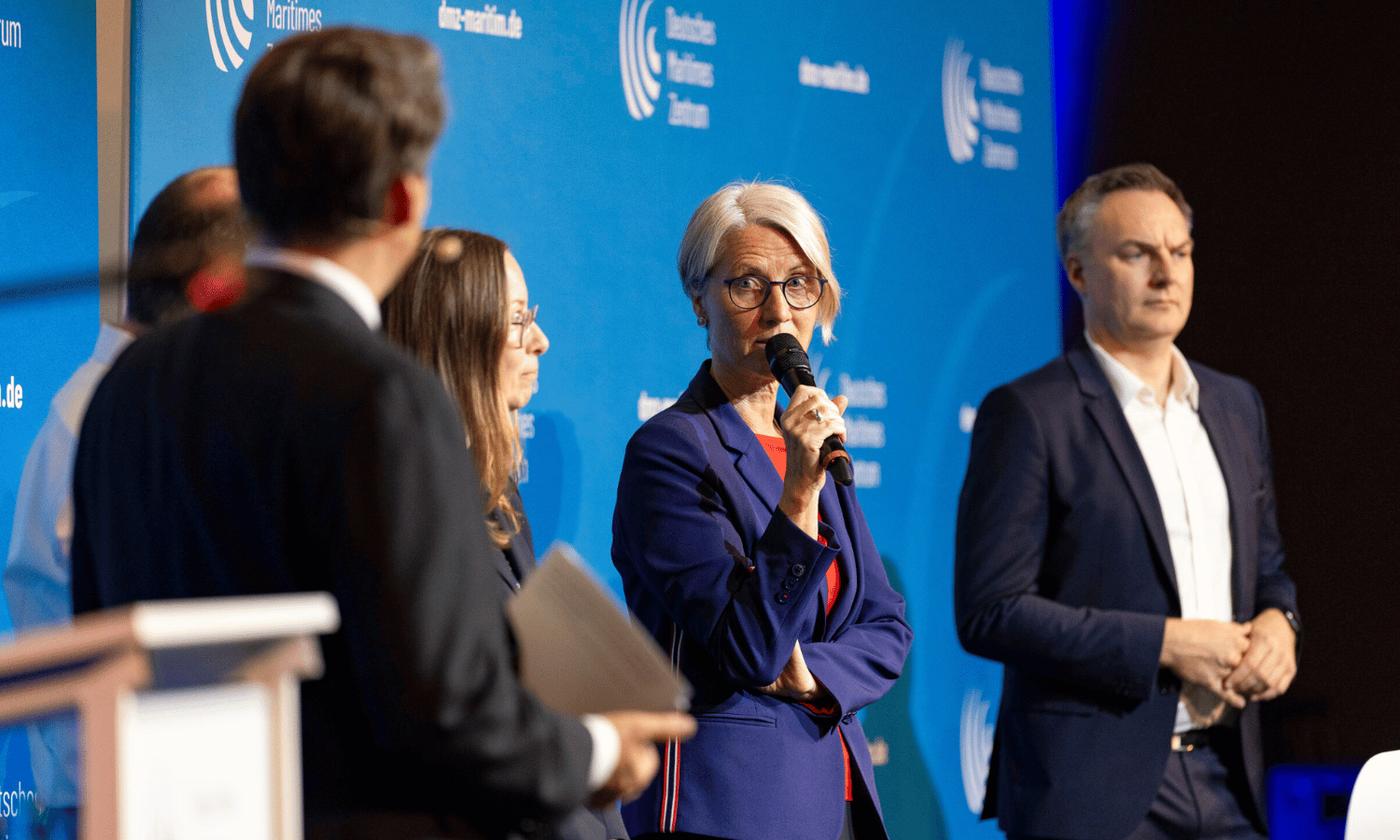
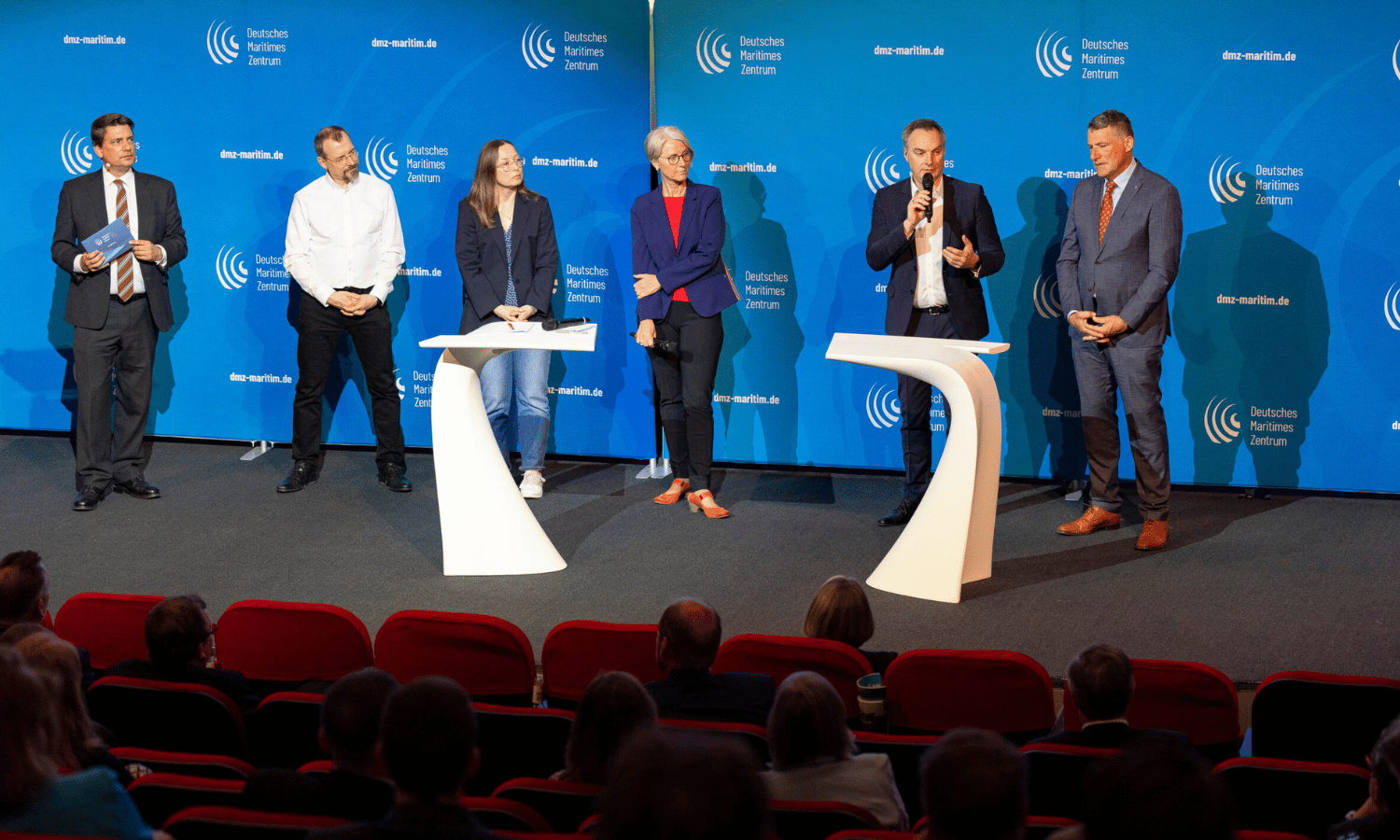
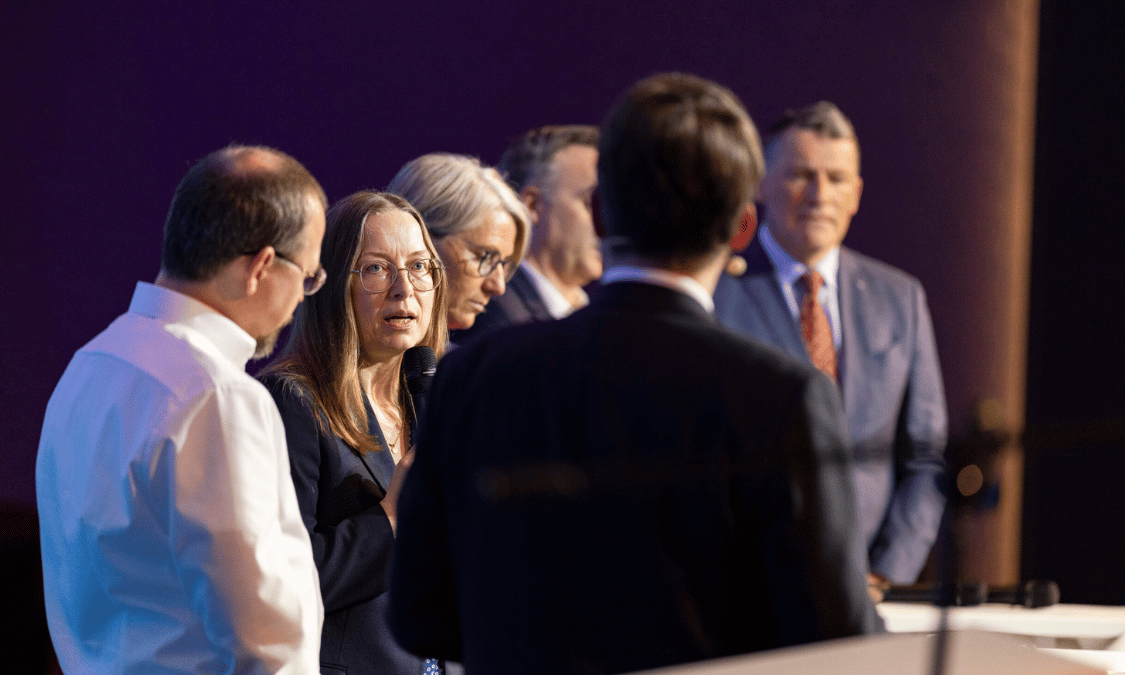
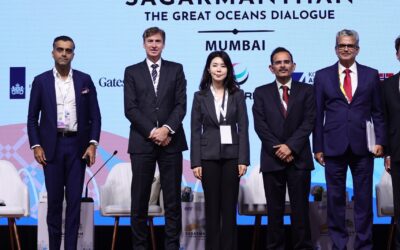
The subsequent panel discussion, ‘Building bridges, strengthening resilience: skilled workers for the maritime future’, brought together representatives from various sectors of the maritime industry: Dr Melanie Frerichs (IG Metall Küste), Ramona Zettelmaier (Marine Chief Executive, Central European Area, Bureau Veritas), Jens Aurel Scharner (Managing Director, Port of Rostock), Carsten Wendt (Senior Manager – Head of Sales High & Heavy and Breakbulk, Wallenius Wilhelmsen Ocean AS) and Prof. Dr Frank Sill Torres.
- Demand and permeability: Dr Melanie Frerichs (IG Metall Küste) highlighted the scale of the issue: in her sector alone, approximately 5,000 skilled workers are needed. Given that 2.9 million young adults aged between 20 and 34 have no vocational qualifications, the education system must become more permeable to allow for more flexible further training and retraining within companies.
- Modernisation of training: To remain competitive internationally, curricula must be adapted. Carsten Wendt (Wallenius Wilhelmsen) emphasised the need for English-language training modules and degree programmes to better integrate international talent. Furthermore, rigid bureaucratic hurdles must be removed.
- • Attractiveness and purpose: The maritime economy offers a strong sense of purpose through decarbonisation and the transformation of ports. Jens Scharner (Port of Rostock) emphasised, however, that this alone is not enough: we must engage with schools at an early stage and develop working time models that meet the demands of 24/7 operations and the realities of modern life.
- Changing skills profiles: It is not just about the number of people, but about having the right qualifications at the right time. Ramona Zettelmaier (Bureau Veritas) called for greater pragmatism and speed, following international examples. Prof. Dr Frank Sill Torres (DLR) added that resilience means, above all, adaptability – particularly when it comes to integrating AI and digitalisation.
- Diversity and security: Attracting women to the sector remains a key lever. Visible role models, an open corporate culture and flexible working time arrangements are crucial to this. At the same time, issues such as cybersecurity and port security require continuous awareness-raising and training for the entire workforce.
Conclusion: Collaboration is key
Dr Matthias Catón, Managing Director of the DMZ, drew a positive conclusion: “It became clear today that maritime sovereignty begins with people. The breadth and depth of today’s debate show that the industry has recognised the urgency of the situation – and is ready to act together. For the DMZ, this is a strong signal and a clear mandate to continue driving this issue forward.”
The event made clear that securing a skilled workforce can only succeed through effective cooperation between all relevant stakeholders. Industry and policymakers are now called upon to develop concrete steps based on the ideas put forward.