The maritime sector is undergoing a historic transformation as it moves towards climate neutrality. This transition not only demands technological innovations, but also well-trained specialists capable of operating new systems safely and efficiently. This is where the project “Future-oriented maritime training for alternative energy sources and new technologies” comes in.
Alternative energy sources: new requirements
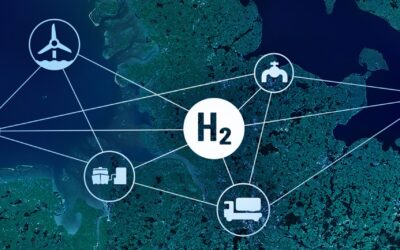
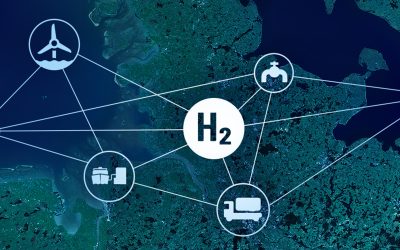
The introduction of alternative energy sources such as methanol, ammonia and hydrogen confronts the maritime industry with entirely new requirements. These fuels require specialised know-how – from bunkering through to operation and on to safety and emergency measures. At the same time, digitalisation and automation drive technological change and transform workflows and competency profiles.
Building a foundation of basic knowledge
In order to quickly adapt and safely apply new technologies, a solid foundation of relevant basic knowledge is required. This includes, for example, knowledge of chemistry and process engineering for alternative fuels, a fundamental understanding of energy conversion and energy transmission processes in new propulsion concepts, as well as knowledge in control systems, automation, data processing and artificial intelligence (AI).
This fundamental knowledge cannot be effectively conveyed through individual courses on specific technologies. Instead, it must be embedded as an integral part of academic training.
The key challenge lies in creating knowledge that is both targeted and applicable, yet also broadly adaptable across different audiences while building competencies for rapid knowledge acquisition. Current training and further education offerings fall short of meeting this need.
Project aims: bridging gaps, enhancing competitiveness
The project aims to address this issue by developing training formats that are tailored to specific needs and aligned with international standards. This will strengthen the competitiveness of the German maritime industry and secure qualified specialists for tomorrow’s climate-neutral shipping.
Overview
Fields of Activity
This project primarily focuses on Technological change, while also addressing Sustainability & Climate Change, Competitiveness and Demography & Securing Young Talent.

Target Groups
Maritime educational institutions, the maritime industry, nautical and technical personnel, policy makers and standardisation bodies.

Duration
The project runs from February 2026 to February 2028. The results will be made available to the maritime sector and are intended for the integration into education and training programmes in the long term.
Project objectives: practical solutions for the maritime sector
The project focuses on three key objectives:
Methodology: evidence-based, practical and future-proof
The project follows a structured and participatory methodology designed to ensure that training formats are fit for purpose.
• Needs Analysis: The first step is a comprehensive analysis of the needs of all relevant partners from academia, industry and education. The aim is to identify the specific requirements in the field of new technologies and alternative energy sources.
• Stock-take: In parallel, a detailed stock-take of existing regulations, guidelines and training provision is conducted. National and international best practice examples are considered in order to leverage synergies and avoid duplication.
• Development of training modules: Based on the gained insights, need-based training modules are developed for different target groups. These range from vocational training to continuing professional development and higher education. The modules are designed to be adapted in response to technological developments.
• Piloting and evaluation: The developed modules are piloted in close collaboration with maritime educational institutions. Continuous evaluation and adaptation ensure that the content remains relevant and meets the sector’s requirements. Feedback from educators, trainees and companies is used to directly optimise the modules. The piloting results also support national decision-making on EU and IMO regulatory approaches.
Contact
Do you have any questions or suggestions regarding the project? Get in touch with us:
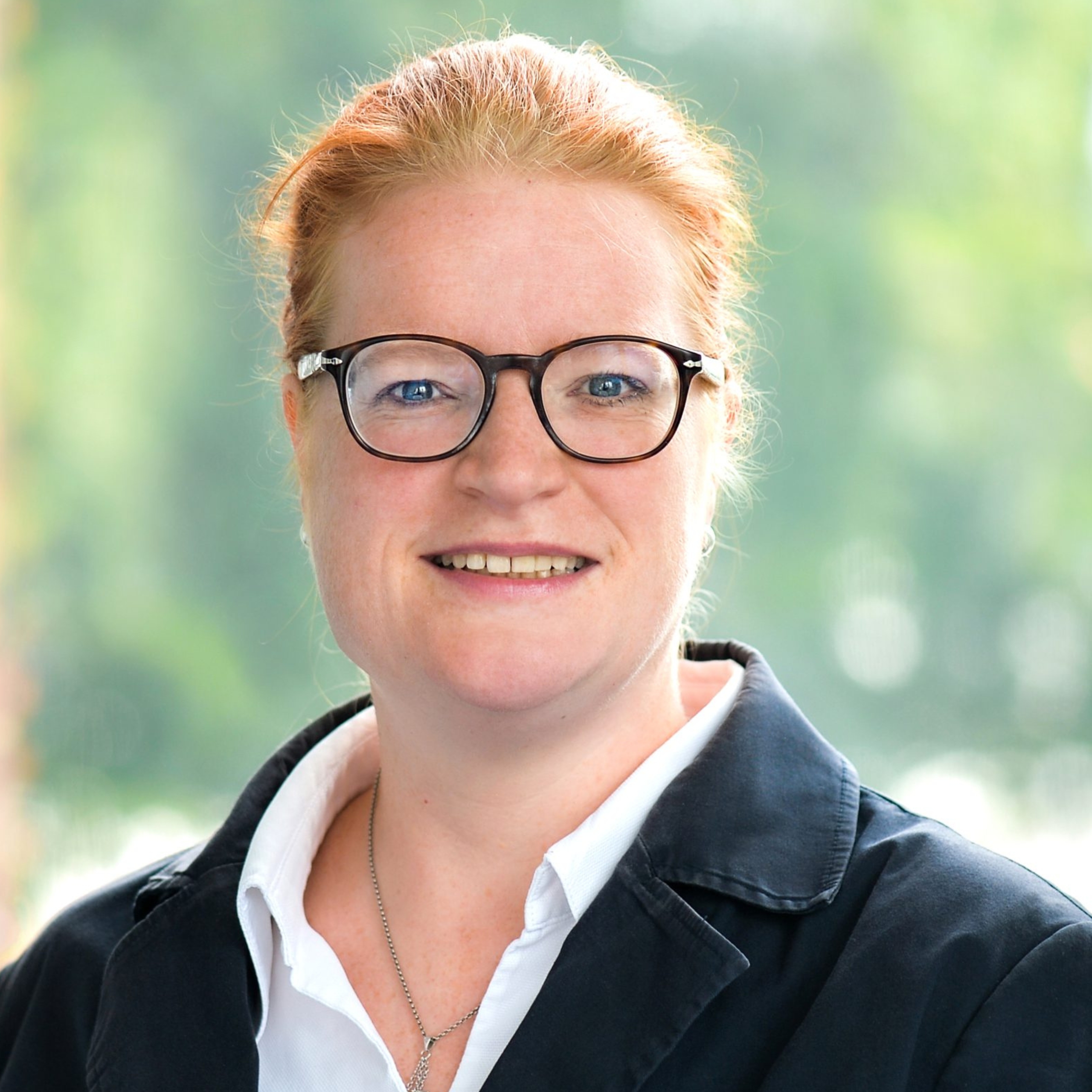
Capt. Runa Hornig Jörgens
Head of Topics and Projects
Phone: +49 40 9999 698 – 71
E-Mail: Joergens[at]dmz-maritim.de
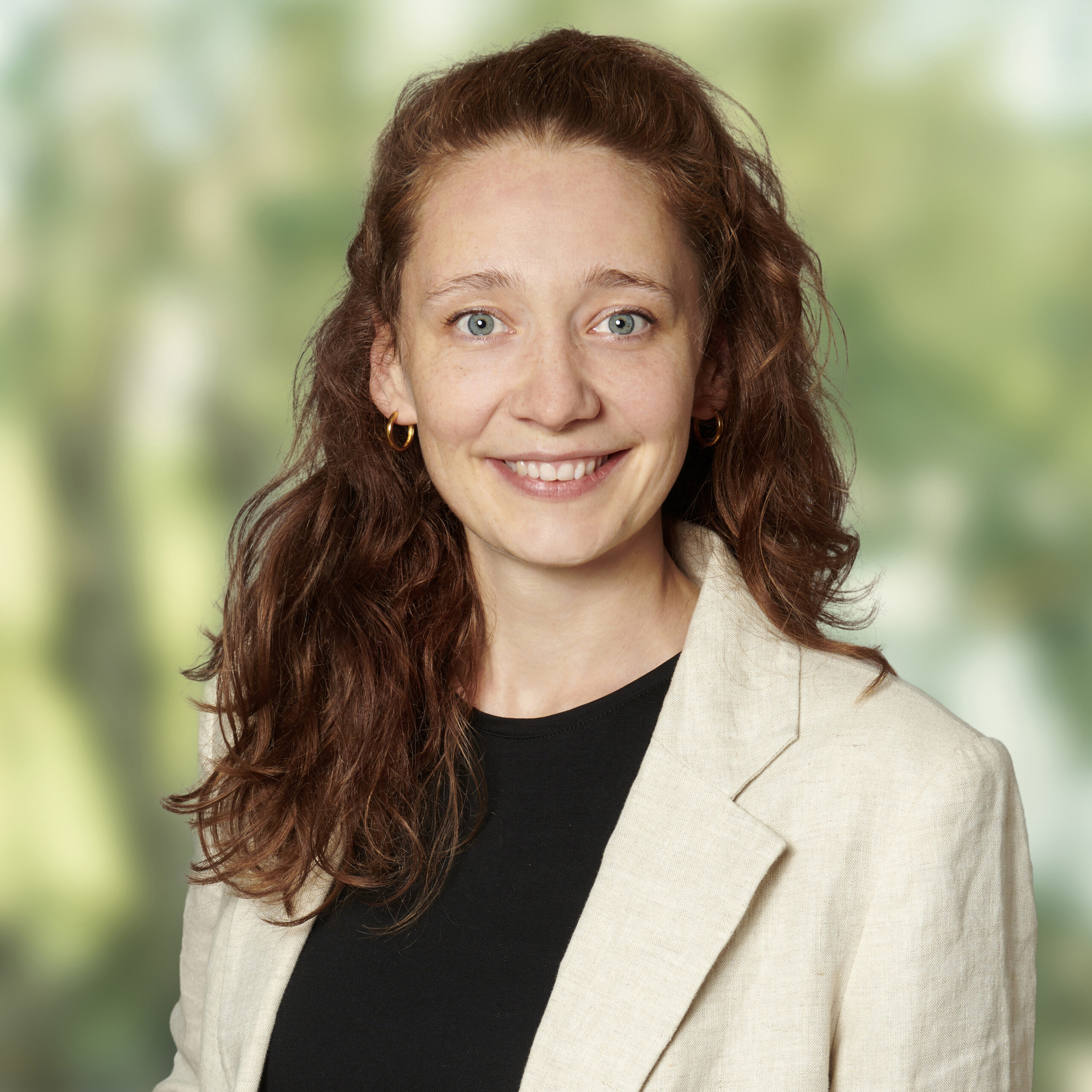
Gyde Andresen-Paulsen
Advisor for Shipbuilding and Marine Technology
Phone: +49 40 9999 698 – 81
E-Mail: Andresen-paulsen[at]dmz-maritim.de