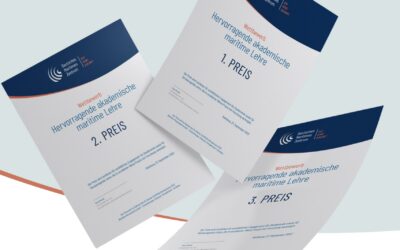
Every two years, the German Maritime Centre (DMZ) organises the award to recognise lecturers in the maritime sector who successfully combine research, teaching and professional practice and who impart both fundamental knowledge and practical skills to their students. The lecturers were nominated by students and then selected by a neutral jury.
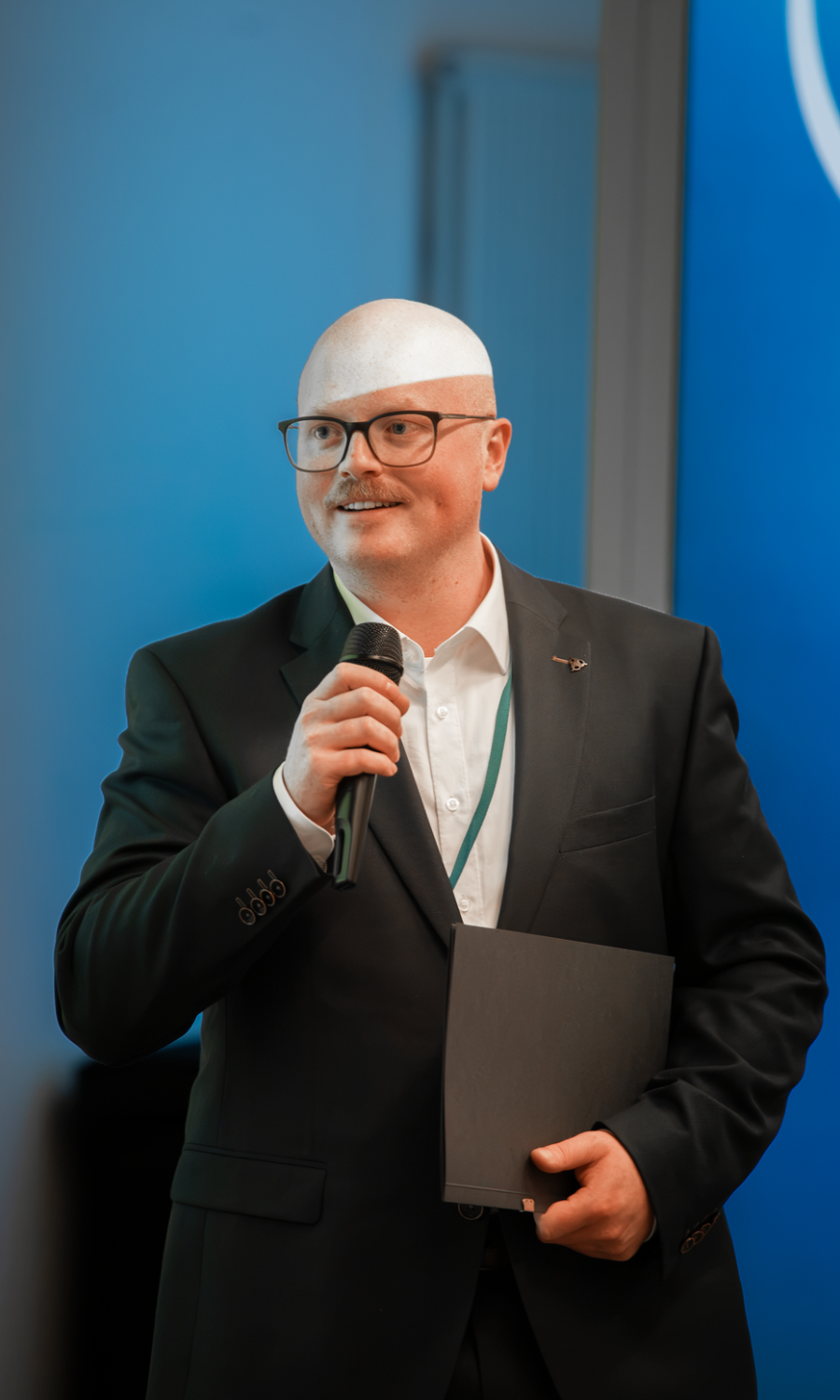
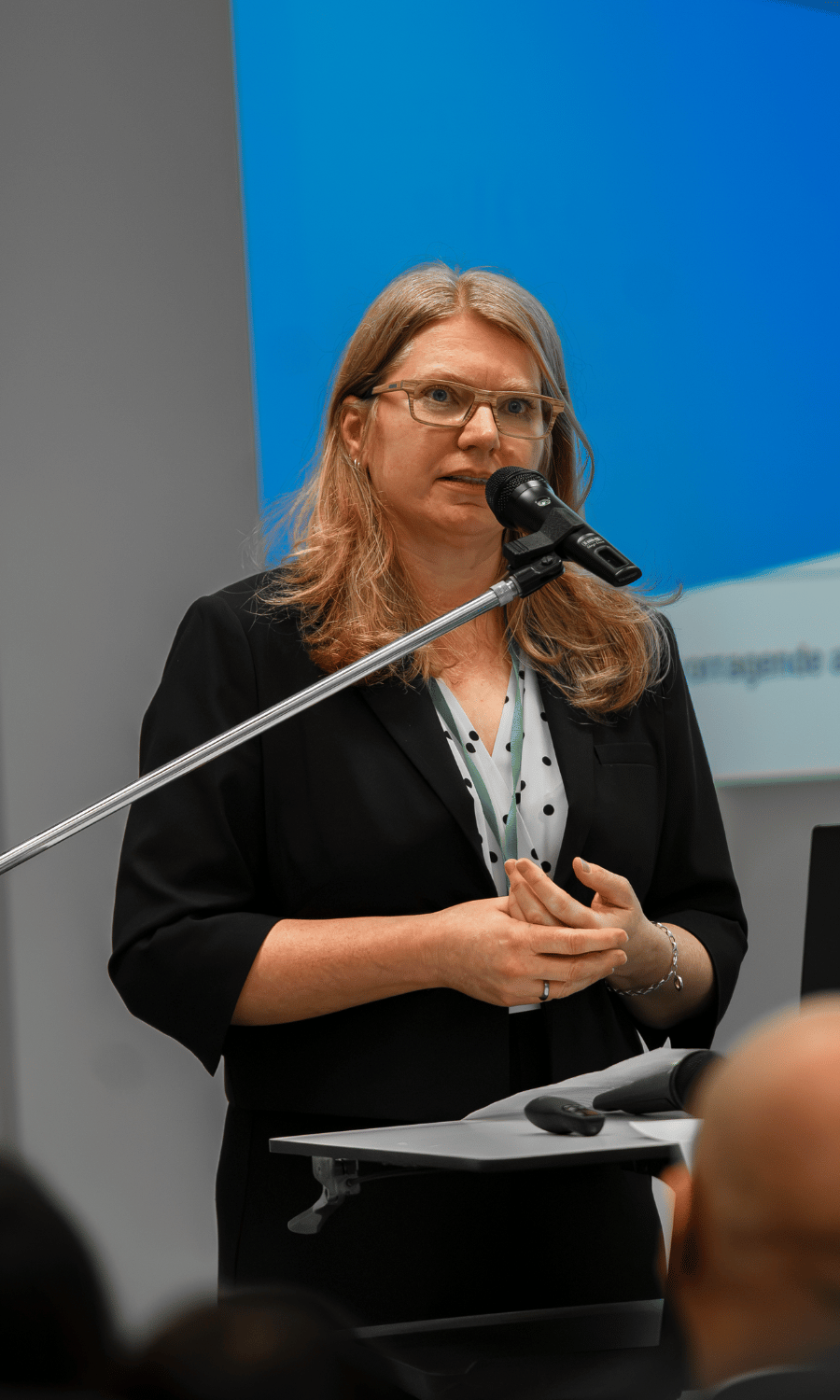
The awards ceremony, held as part of the Bremen Shipping Congress in Bremen, was opened and hosted by Dr Matthias Catón, Managing Director of the DMZ. “Excellent teaching lays the foundations for a skilled workforce in maritime professions and for the sector’s status in the face of international competition,” says Dr Catón. “The award winners demonstrate the high standard of training provided to the next generations of skilled workers and thus set an important example of successful teaching.”
The award winners: Collaborative learning
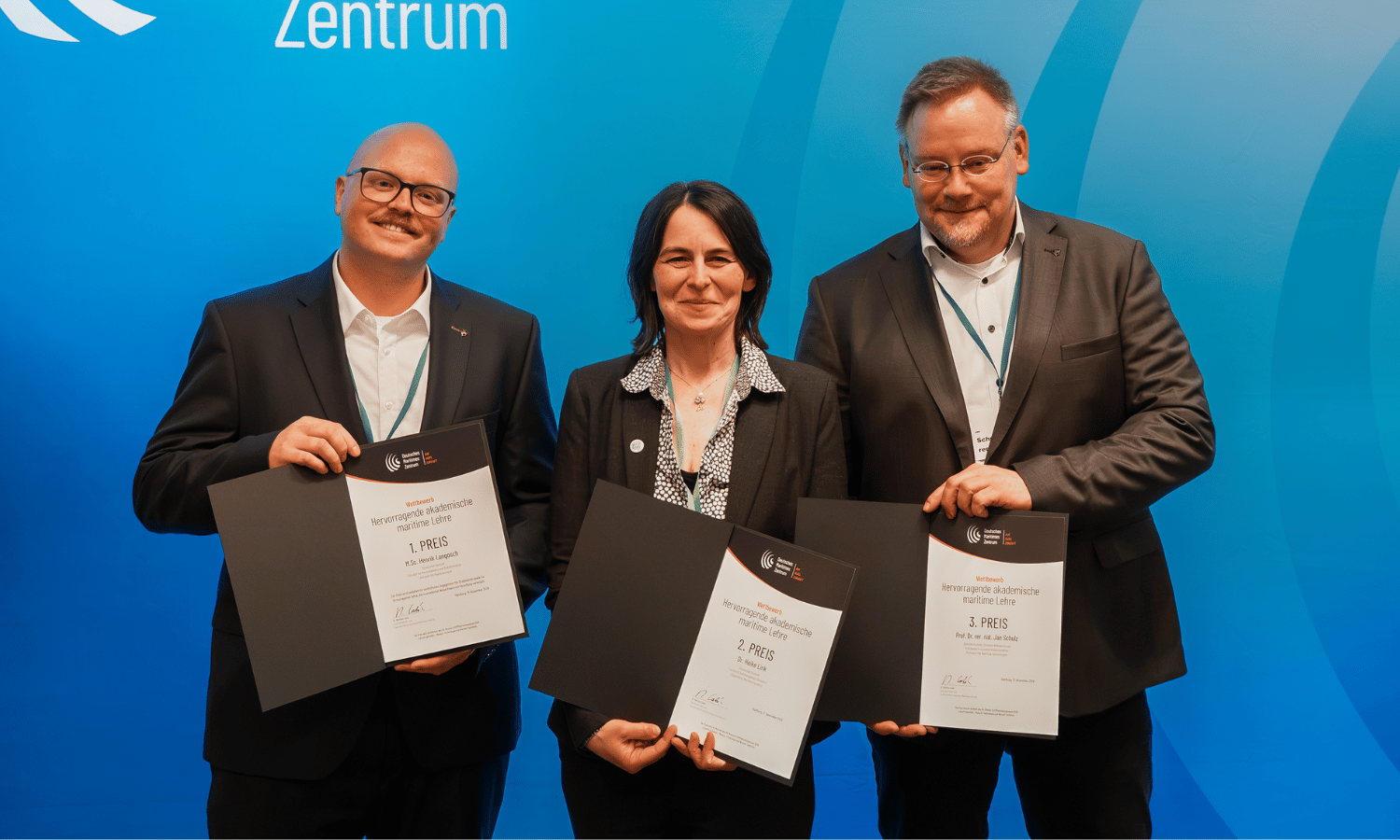
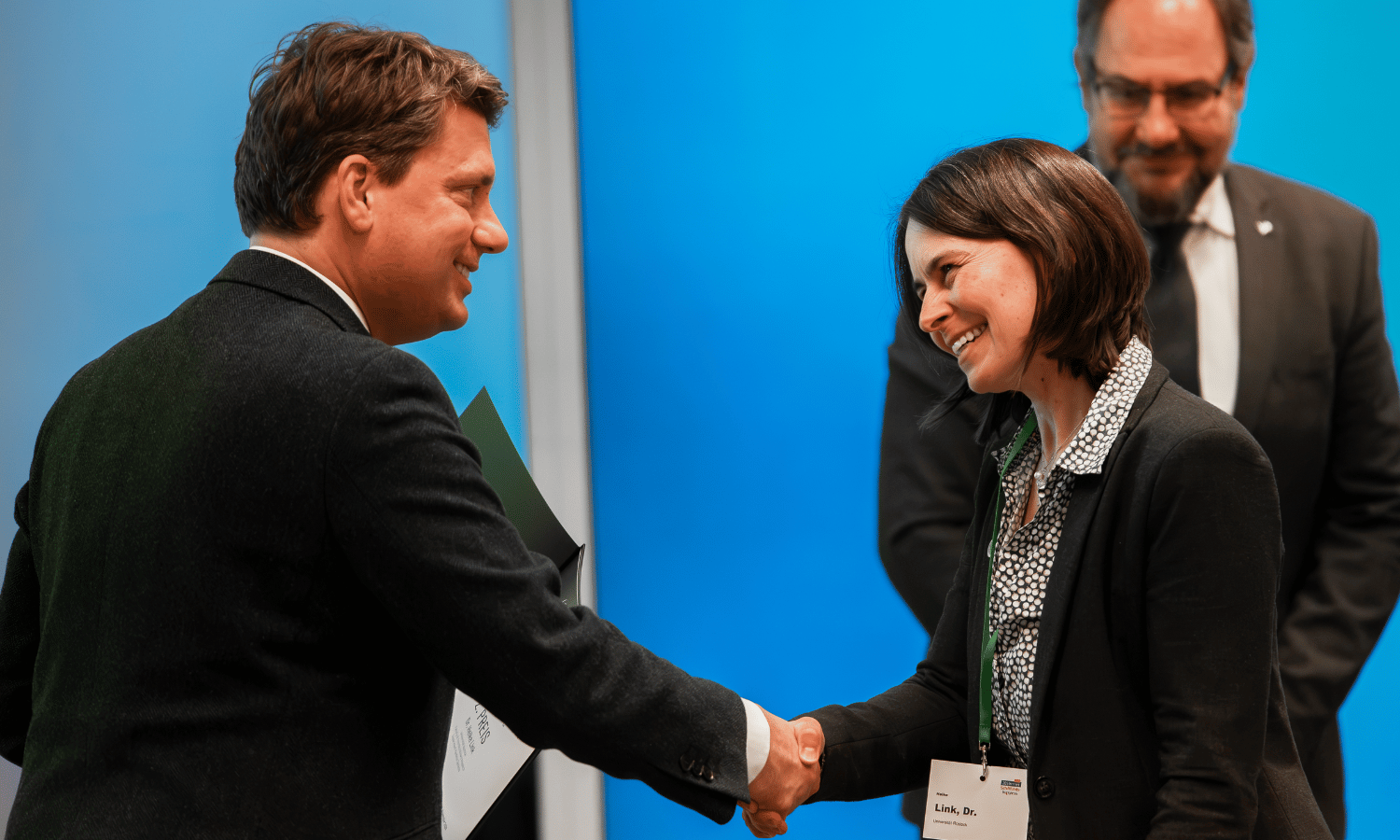
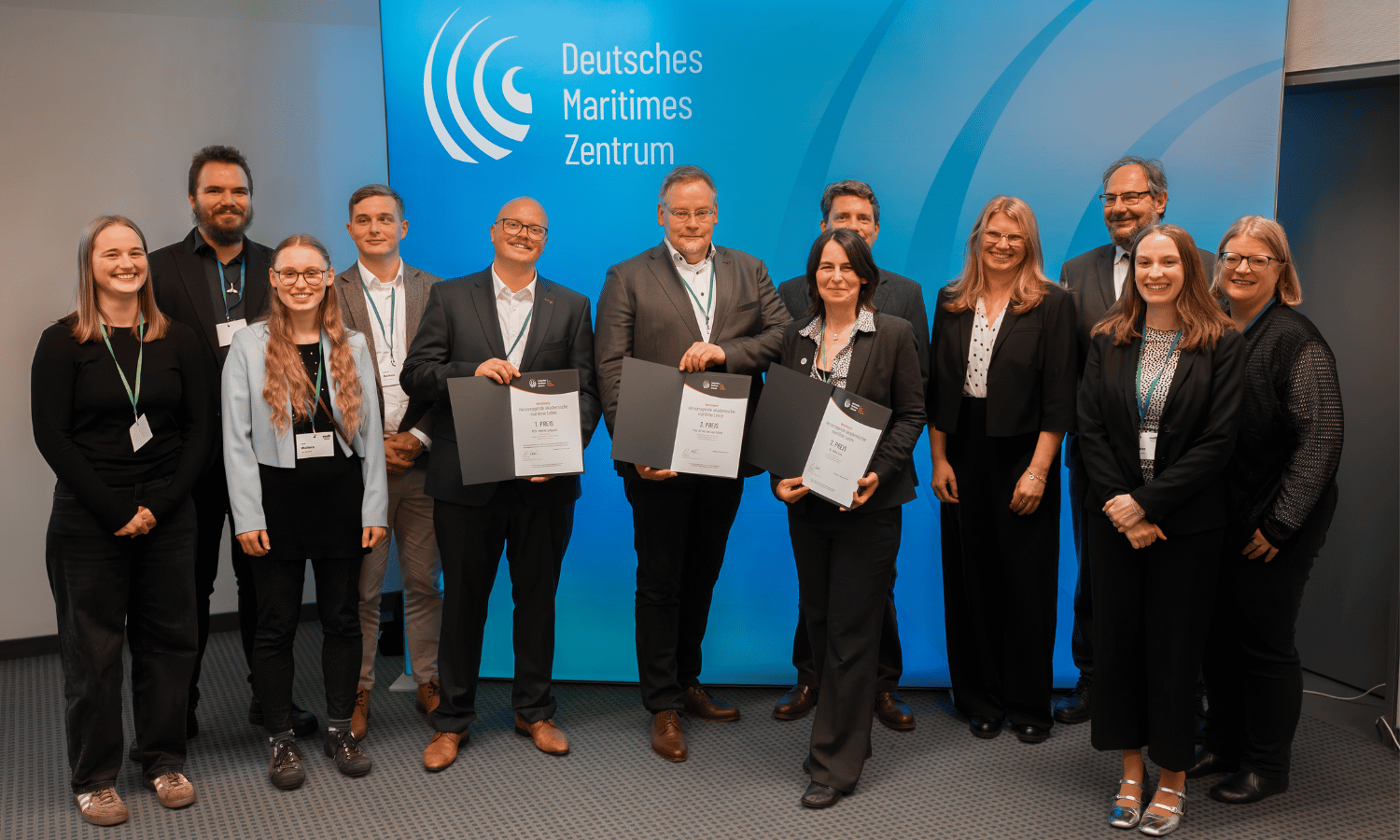
Three prizes were awarded as part of the competition. Each winner receives a certificate and prize money, which will go towards a research project of their choice. During the ceremony, every award winner received a personal laudation.
The jury awarded the first prize to Henrik Langosch, research assistant at the Chair of Marine Technology at the University of Rostock. Langosch’s research focuses on underwater robotics, particularly in the field of underwater gliders. In his teaching, he focuses not only on the academic progress of his students but also on their personal development. “To me, good teaching means more than just imparting specialist knowledge,” says Langosch. “I want to encourage students to remain curious, to critically question things and to develop the courage to come up with their own ideas. This also includes being allowed to make mistakes and to learn from them.”
Dr Heike Link, who won the second prize, has been involved in teaching ever since her own student days. A researcher in the Department of Maritime Systems at the University of Rostock, she studies the diversity and function of life on the seabed and has travelled to the polar regions several times for this purpose. “When we investigate research questions at sea, practical aspects suddenly play a much greater role than they do in lectures. Developing this perspective at an early stage – whether for engineers or biologists – is particularly important to me,” says Dr Link. For her, teaching is valuable when it also conveys the nature of interdisciplinary work in the practical context of marine research.
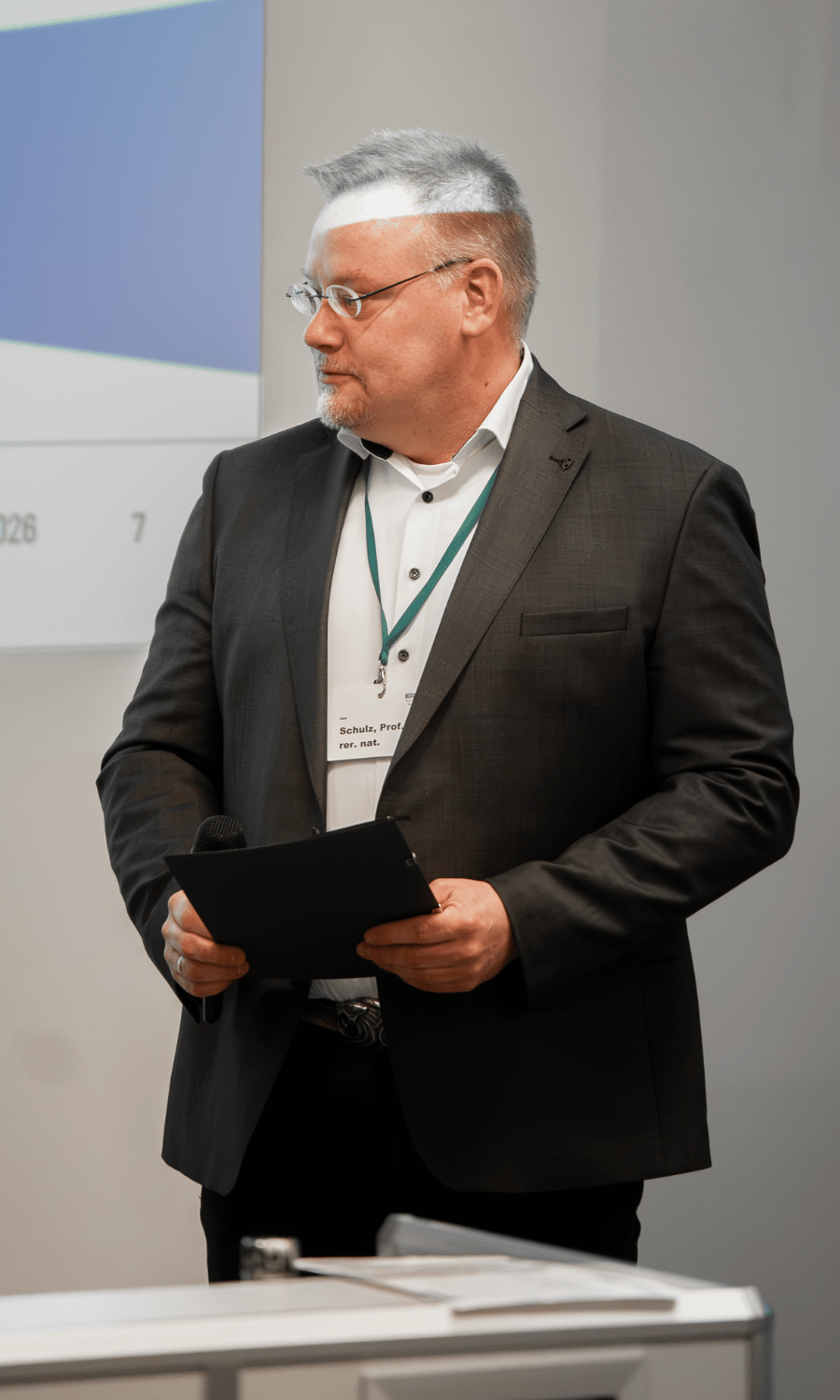
Prof. Dr Jan Schulz was awarded third prize in the competition. He is Professor of Maritime Technologies at Jade University of Applied Sciences, Wilhelmshaven campus. As an expert in maritime measurement technology and data analysis, he works with his students at the interface between theory and practice, for example in a newly established laboratory for student projects. “It is important that, alongside the theoretical foundations of their degree programme, students are also given the opportunity to gain experience through projects they have set themselves,” says Prof. Schulz. “This is why we want to offer the students the chance to acquire a wealth of experience that goes beyond the usual scope. We are expanding both our laboratory and field infrastructure to achieve this.”
About the competition
For the fourth time, the German Maritime Centre awards three prizes for “Outstanding Academic Maritime Teaching”. The competition aims to promote academic maritime teaching. Through the award, the DMZ aims to raise the profile of maritime degree programmes and recognise exemplary commitment on the part of teaching staff. The winners were nominated by students on maritime degree programmes and selected by a neutral jury in a multi-stage process. Each winner receives prize money, which will be used to support a research project of their choice.
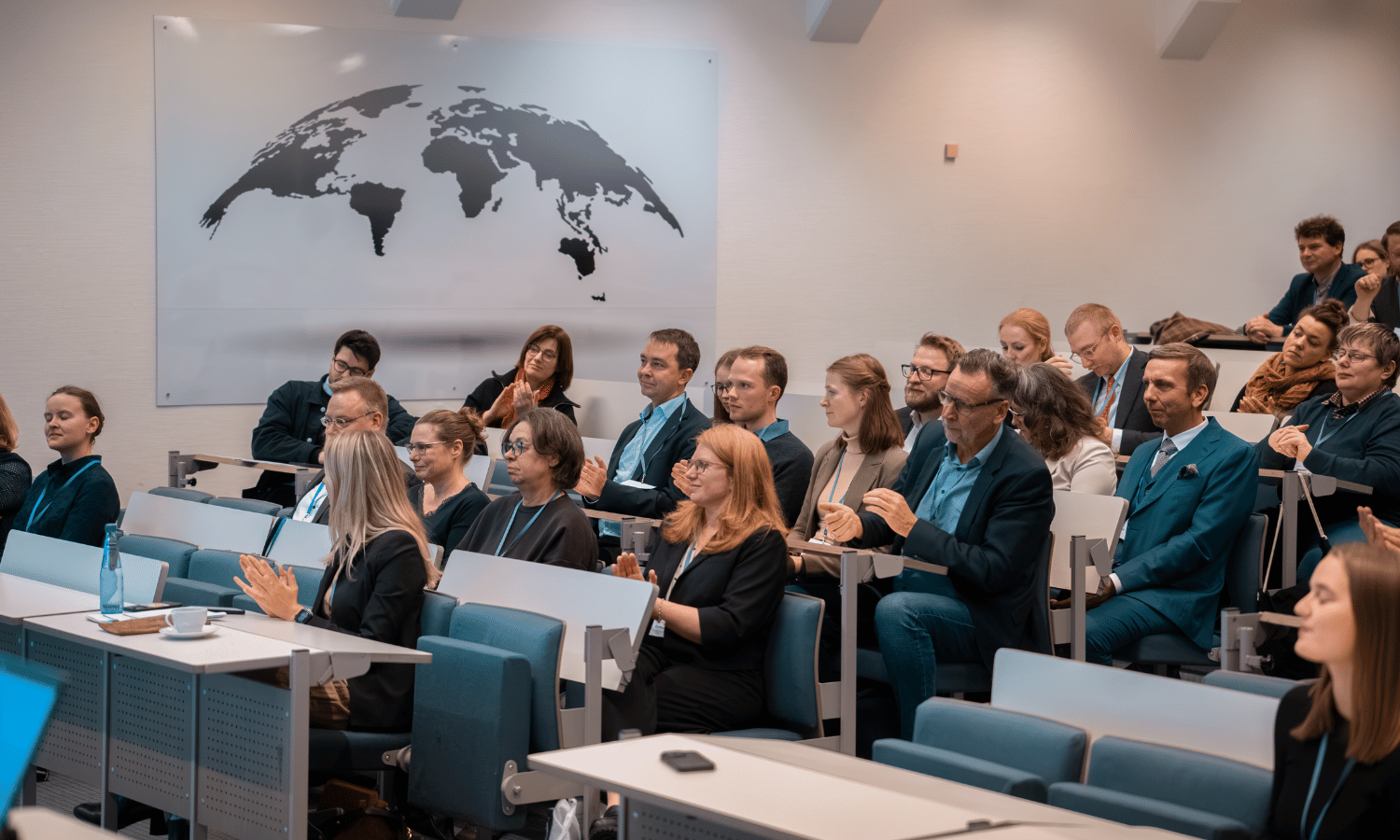
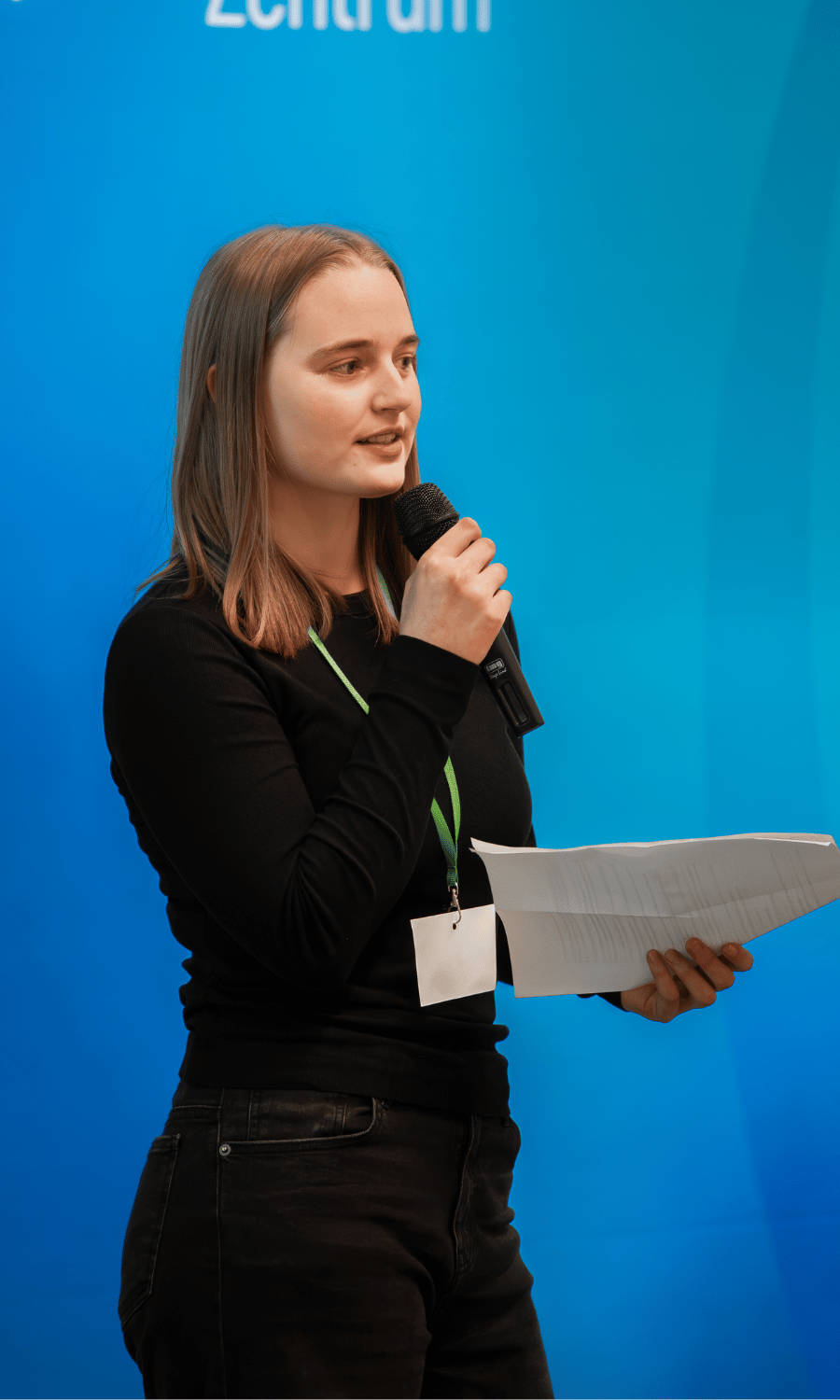
Impressions from the awards ceremony: