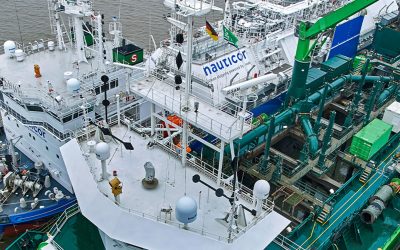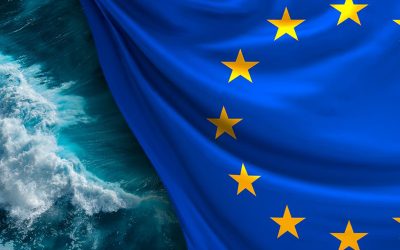
Germany is one of the leading research hubs for maritime technologies – particularly in the field of autonomous watercraft. Whether digitalisation, automation or remote control: numerous research projects are exploring new technologies and actively driving forward the transformation of shipping. However, the growing number of funding programmes, participating institutions and individual projects complicates maintaining an overview and identifying suitable cooperation partners from research and industry.
Transparency across the research landscape
These issues are addressed in the DMZ project “Research Landscape for Autonomous Ships”, which aims to systematically collect information on ongoing and completed projects of various funding programmes and institutions and present it in a transparent manner. Projects of IHATEC [1], DigiTest [2], DTW [3], mFUND [4], the Maritime Research Programme of the Federal Ministry for Economic Affairs and Energy (BMWE), the directory of the Central Commission for Navigation on the Rhine (CCNR), and research funding by the federal states will be included.
The projects are organised by theme, presented concisely and – where already available – compiled with their key findings. This provides an up-to-date and nuanced picture of the state of research in Germany. At the same time, the presentation enables the identification of thematic gaps and structural barriers, and can thus help to highlight future research and funding needs.
The comparative perspective across funding programmes is directed at a broad audience: research institutions, industrial companies, public authorities and all interested parties from the maritime sector benefit from centralised access to relevant knowledge. Opportunities for cooperation can be specifically identified, and new thematic priorities recognised at an early stage.
The project builds on previous DMZ activities – including the “International Field Analysis of Use Cases for Autonomous Maritime Systems” (2022, English Summary here) – and consistently continues the DMZ’s work as a cross-sectoral knowledge and networking platform. It thus makes a concrete contribution to strengthening Germany’s position as a maritime hub and to knowledge transfer between academia and industry.
Overview

Duration
The project started in spring 2026. Over the course of the year, relevant research projects will be identified, reviewed and compiled. The final overview is expected to be available here on the DMZ website by the end of 2026.

Focus Areas
The project primarily addresses the area of technological change: it highlights the innovation potential of German maritime research and demonstrates progress in the development of autonomous shipping technologies. Furthermore, the project touches on the area of competitiveness – as a high-performing maritime research landscape is a key factor in Germany’s international competitiveness.

Special Feature
A distinctive feature of the project is its cross-programme perspective: it analyses maritime research funding at federal and state level. This provides a structured overview across the German funding landscape for autonomous shipping technologies.
Background: Research Funding
The following infoboxes provide a concise overview of key research programmes in the maritime sector. Each briefly explains the programmes’ objectives and main focus.
IHATEC –BMV funding programme for Innovative Port Technologies
IHATEC supports research and development projects that contribute to the development or adaptation of innovative technologies in German seaports and inland ports.
The Innovative Port Technologies programme supports the development and testing of new technologies in German seaports and inland ports in order to maintain and further enhance their competitiveness in the global environment. The focus is on practical research and development projects as well as feasibility studies in the areas of cargo handling, passenger processing or logistical inbound and outbound processes in ports. In addition to a general increase in efficiency, improving climate and environmental protection is a key objective of the programme.
DigiTest – Funding for “Digital Test Fields in Ports” by the BMV
The funding programme “Digital Test Fields in Ports” (Digitest) supports the digitalisation of maritime infrastructure through practical testing of innovative systems under real-world conditions. The aim is to develop German ports into data-driven high-tech hubs and secure their role as the backbone of an internationally networked logistics chain. The focus is on applications in the areas of traffic management, autonomous and automated driving, digitalisation of supply chains, and digital administration of logistics processes.
DTW –BMV programme for “Investments in the Development of Digital Test Beds on Federal Waterways”
The DTW programme supports the testing and further development of systems for automated or autonomous navigation on water under real-world conditions. Improving logistics chains and shifting transport to waterways enhances the competitiveness of inland waterway transport. Automated and connected navigation on waterways also offers a way to counteract the shortage of skilled workers, thereby contributing to the future viability of the transport system. The importance of inner-city transport and secondary waterways can be supported by funding trials aimed at more efficient use of the navigation channel during periods of extremely low water levels.
mFUND – Innovation initiative of the BMV for the Mobility of the Future
The initiative mFUND supports research and development projects in the field of digital, data-based applications for future-oriented mobility, with financial support available and networking between stakeholders from politics, business and research facilitated through various event formats. Mobility data portals such as Mobilithek and Mobility Data Space are also accessible.
MAFO – Maritime Research Programme of the BMWE
As part of the Maritime Research Strategy 2025, the BMWE has set itself the goal of providing long-term support for research and development in the sub-sectors of shipbuilding, shipping and marine technology. The Maritime Research Programme (MAFO) serves to implement this strategy with a particular focus on cooperation and networking between project participants, even beyond the boundaries of the industry. In principle, the entire spectrum of maritime technology is to be supported; therefore, the funding guidelines list five different thematic priorities that can be viewed from a maritime perspective: environmental protection, digitalisation, safety, resources and, since the 2023 revision of the guidelines, climate neutrality.
Facts and Figures
Under the IHATEC funding programme, the Federal Ministry of Transport (BMV) has allocated approximately 66 million euros for innovative port technologies between 2021 and 2025. [5]
The CCNR lists 53 relevant pilot and research projects relating to autonomous shipping on its website. [6]
Learn More About the Project
Explore further articles, events and related content.

International field analysis on use cases for autonomous maritime systems
Paper on a survey of the basis for strategic coordination regarding international knowledge and technology transfer
The development of the market for autonomous maritime systems (AMS)
Industry survey reveals sentiment among maritime sub-segments in Germany and Europe and identifies uncertainties and barriers
Contact
Do you have any questions or suggestions regarding the project? Get in touch with us:
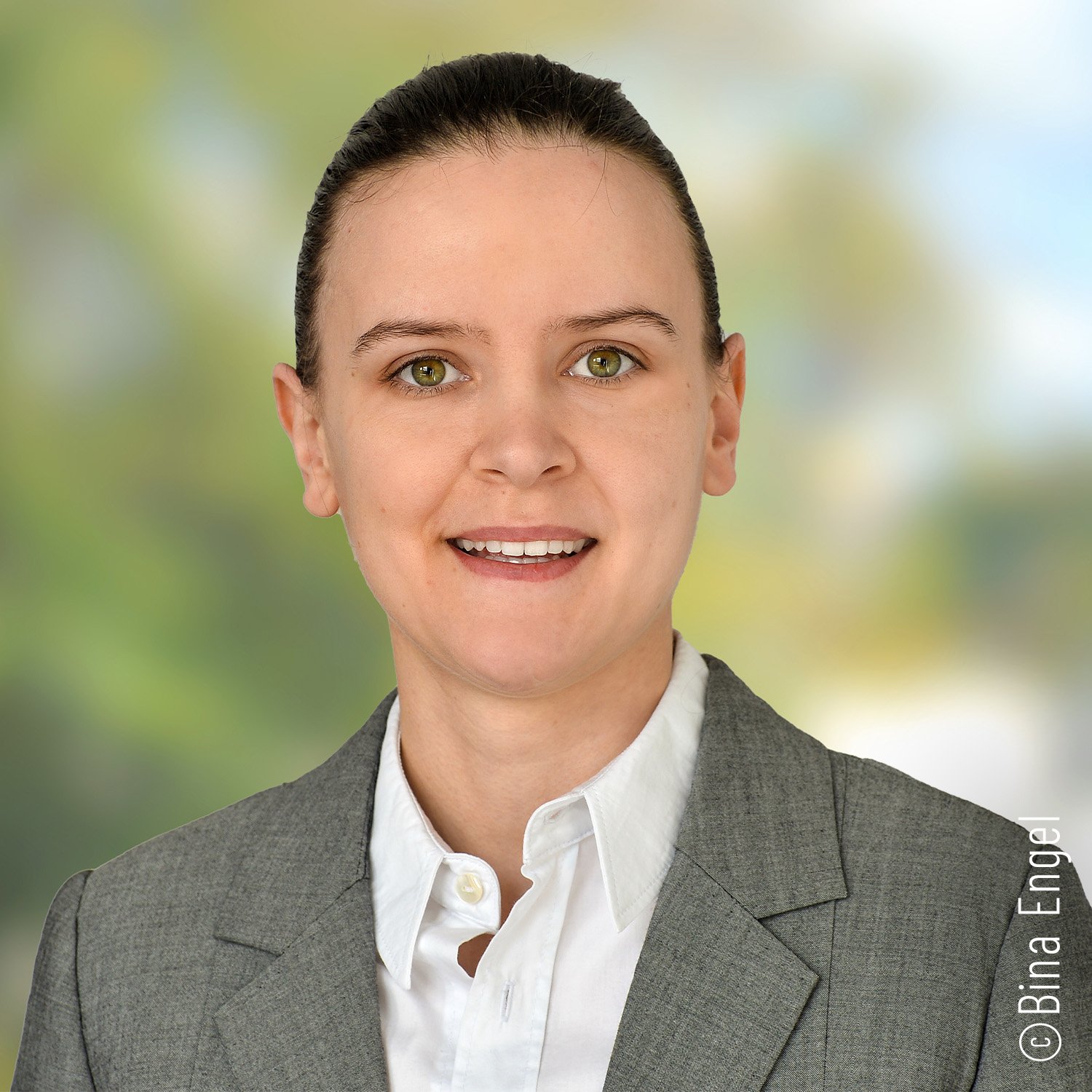
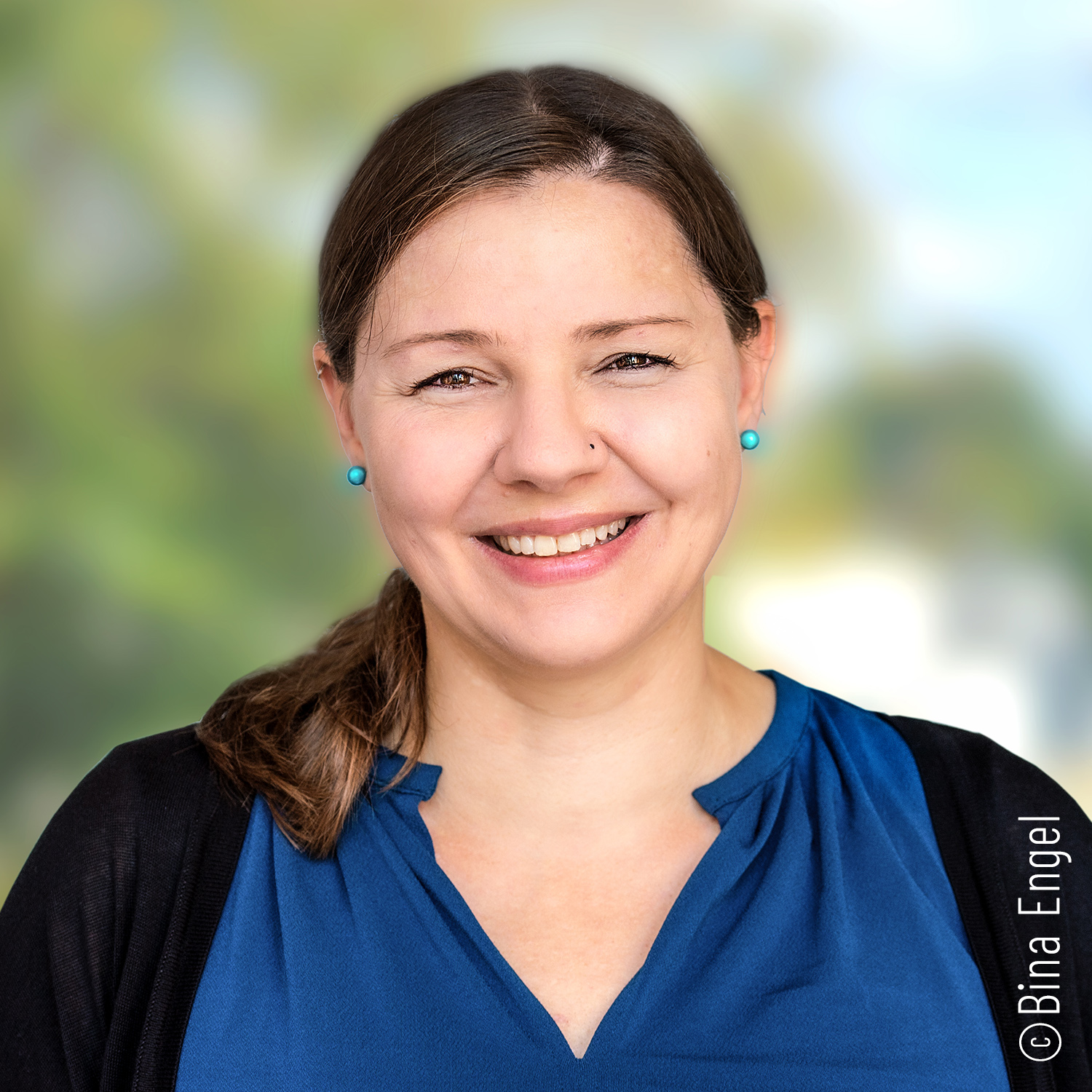
Dr Katrin Maul
Advisor for Regulations and Standards
Phone: +49 40 9999 698 – 78
Email: Maul[at]dmz-maritim.de

References
[1] Innovative Hafentechnologien (Innovative Port Technologies)
[2] Digitale Testfelder in Häfen (Digital Test Fields in Ports)
[3] Digitale Testfelder an Bundeswasserstraßen (Digital Test Fields on Federal Waterways)
[4] Modernitätsfonds (Modernity Fund)
[5] Innovative Port Technologies (accessed on 22/05/2026)
[6] Listing of pilot and research projects in the field of automated navigation (accessed on 22/05/2026)