
Dr. Katrin Maul
Advisor for Regulations and Standards
Phone: +49 40 9999 698 - 78
Email: Maul[at]dmz-maritim.de
Roadmap
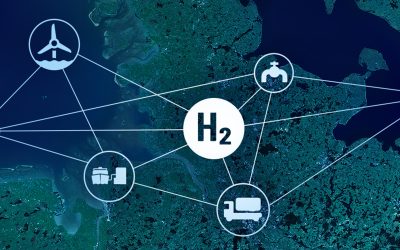
Since January 2023 more the 700 experts are working in the collaborative project “Standardization roadmap for hydrogen technologies” that is based on the initiative of seven project partners and funded by the German Federal Ministry of Economic Affairs and Climate Protection, now German Federal Ministry of Economic Affairs and Energy. The project supports the market ramp-up and the establishment of a quality infrastructure for hydrogen technologies. [1], [2], [3]
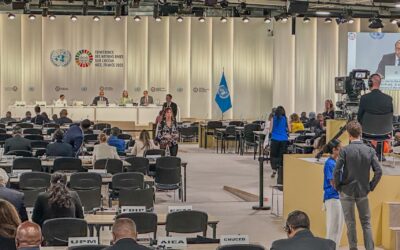
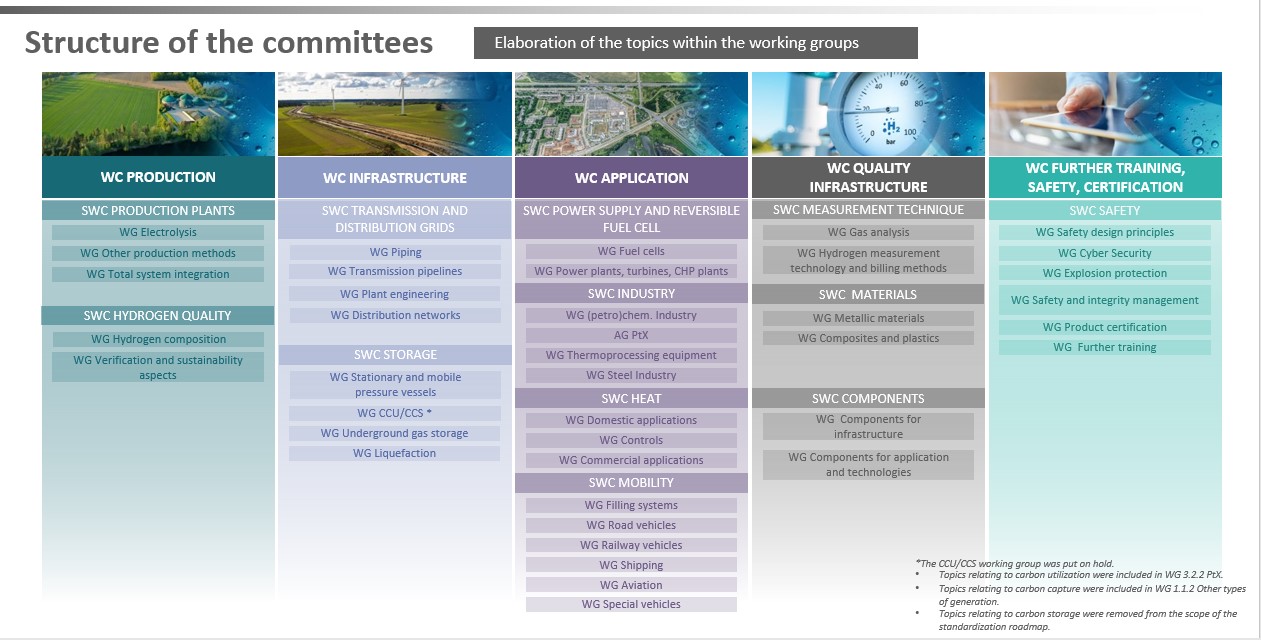
The experts from business, science, politics and civil society formulate the strategic framework for supplementing and revising the existing technical regulations as well as for developing required standards in 39 working groups while considering the different transport sectors and the overall value chain. The steering committee supports the project activities regarding safety, quality and environmental and consumer protection. [1], [2], [3], [4], [5]
Following an analysis of the existing regulatory framework, consisting of legal requirements and standards, the necessities for hydrogen technologies were examined for the different fields of the value chain and recommendations for action were developed. Based on these recommendations research projects and/or standardisation processes were initiated. The recommendations for action have been forwarded to the relevant committees, so that the implementation could already start within the ongoing collaborative project. In addition, implementation projects were proposed for funding, which were discussed and decided upon in the steering committee. [1], [5], [6], [7], [8], [9], [10], [11]
DMZ work
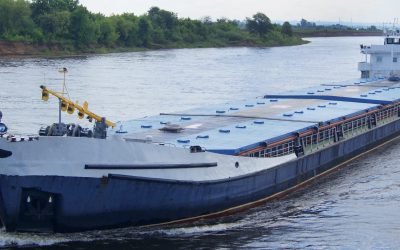
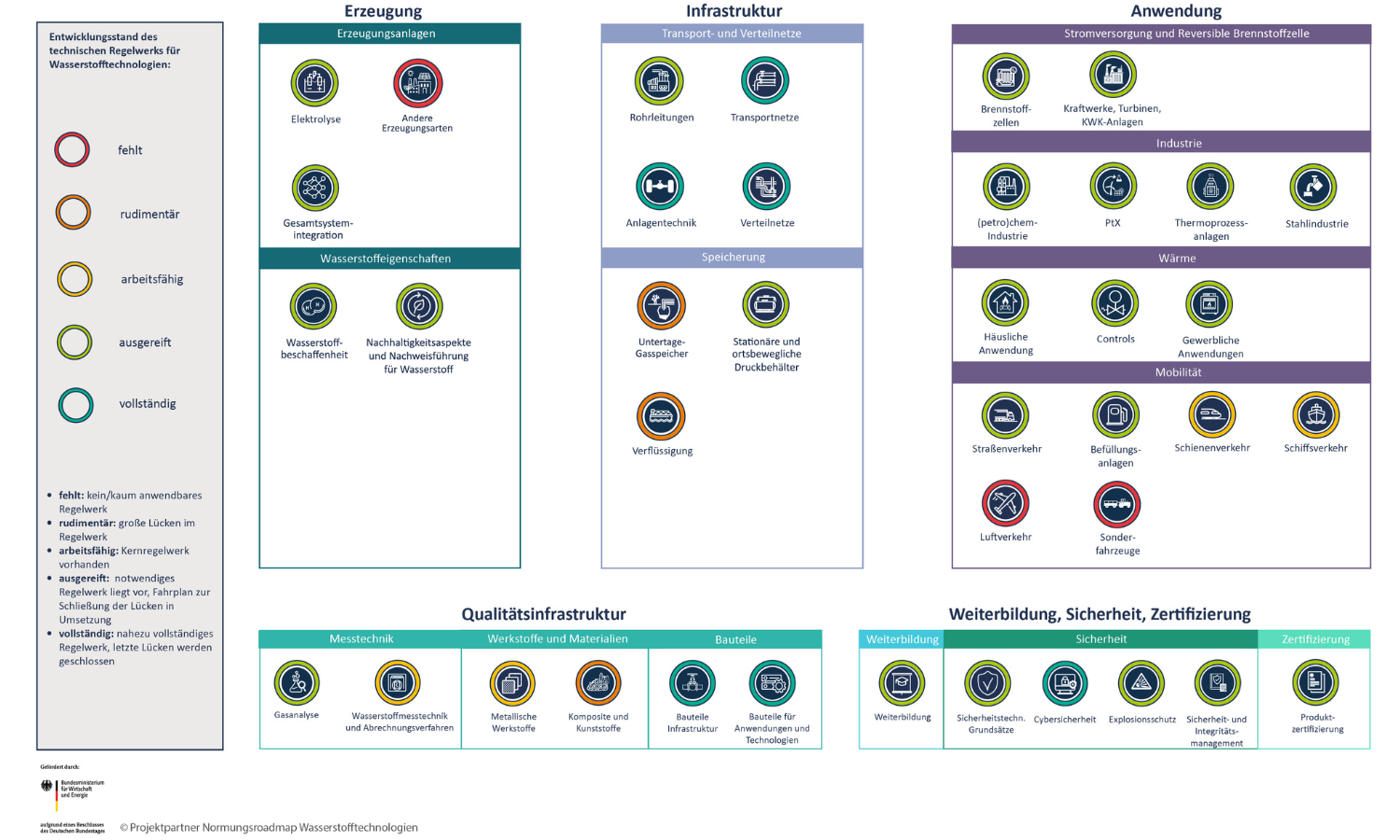
The experts work together in five working committees of the collaboration project: Production, Infrastructure, Application, Quality Infrastructure as well as Further Training, Safety and Certification. The working committee Application is subdivided in four sub-working committees: Power Supply and Reversible Fuel Cell, Industry, Heat as well as Mobility. The experts of the working group Shipping, that is led by the DMZ and is part of the sub-working committee Mobility in which the different transport sectors are represented, analysed the status quo of the existing regulatory framework. On this basis the requirements of shipping and shipbuilding technology and the associated areas of the application of hydrogen and derivates were investigated. This included the construction and operation for inland navigation and maritime shipping, also considering the hydrogen transport by ships, the use for propulsion as well as fuelling. The cross-sectional topics that were also relevant for other working groups were particularly important, while the required coordination with European and international regulations in inland navigation and maritime shipping is an additional challenge in shipping. The working group Shipping evaluated the state of affairs as “able to work”, because European and international regulations as well as applicable standards already exist for inland navigation and maritime shipping. [2], [3], [4], [10], [12], [13]
Due to the work in the steering committee the DMZ actively participate in the strategic advice and in the decisions about implementation projects eligible for funding. [3], [5], [12]
Figure: Overview of the maturity levels of technical regulations for hydrogen technologies (available only in German):
Collaborative Project [1] [2]
Funding
German Federal Ministry of Economic Affairs and Climate Protection, now German Federal Ministry of Economic Affairs and Energy
Project partners
DIN – German Institute for Standardization
DKE – German Commission for Electrical, Electronic & Information Technologies
DVGW – German Technical and Scientific Association for Gas and Water
NWB – German Association for Standardization and Railway Development
VDA – German Association of the Automotive Industry
VDI – Association of German Engineers
VDMA – German Engineering Federation
Sources
(retrieved on 4 November 2025)
[1] Normungsroadmap Wasserstofftechnologien
[4] Arbeitskreise
[5] Steuerungskreis
[6] Arbeitsbeginn
[7] Bestandsanalyse
[10] Umsetzungsprojekte
[11] 1. Veröffentlichung